B.C. woman pleads guilty to attempting to euthanize cat with fentanyl: SPCA
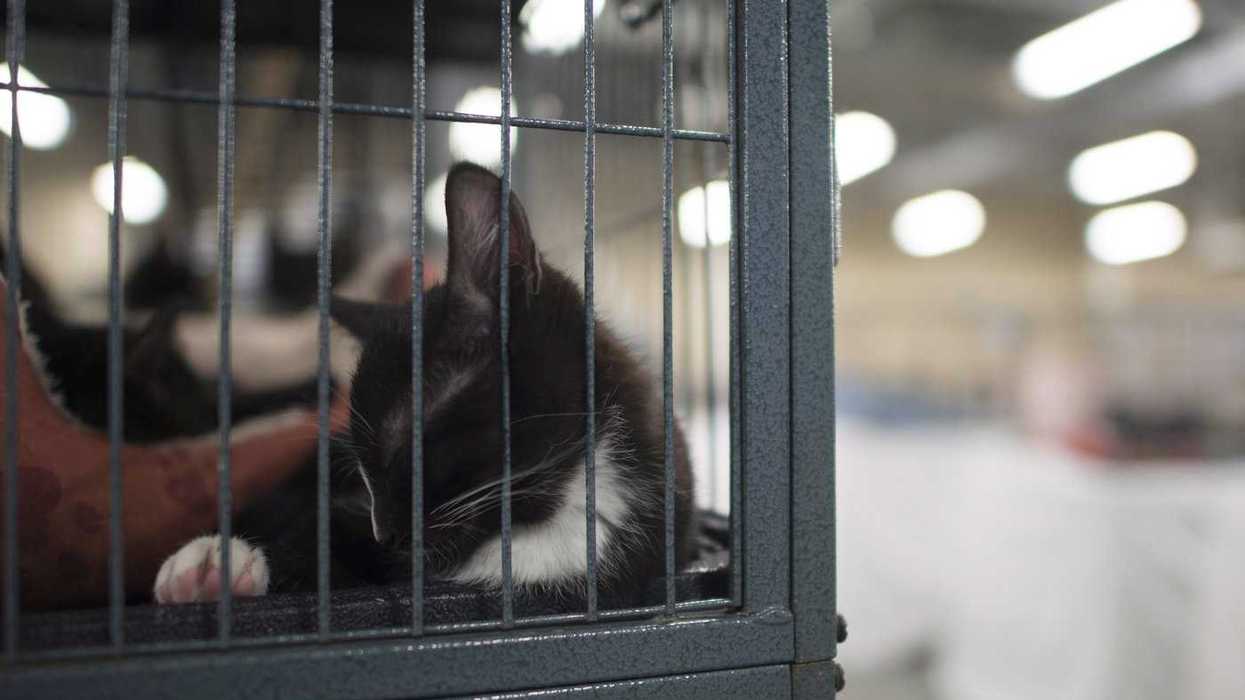
British Columbia's animal welfare society says a woman has been banned from owning or living with pets for five years and given 12 months' probation after pleading guilty to attempting to euthanize a cat with fentanyl.
A statement from the B.C. SPCA says Jayme-Jo Crystal Brooks' conviction also sets a precedent against at-home euthanasia practices that inflict unnecessary harm.
The society says investigators began looking into Brooks in December 2024 after a veterinarian called the animal helpline to report they had humanely euthanized a cat in critical distress and a necropsy later revealed fentanyl exposure.
The SPCA says it seized two other cats in the woman's care and both were found to have cocaine, amphetamines, and methamphetamine in their systems.
The society says one of the cats was adopted but the second had underlying health conditions and was euthanized.
Online court records show Brooks was initially charged with causing unnecessary pain and suffering to an animal, failing to provide necessities for an animal and administering a poisonous drug to an animal.
All three charges are dated Christmas 2024 and she pleaded guilty to the poisoning charge last month.
The SPCA says her probation includes counselling or education programs and a requirement to complete 30 hours of community service.
Jamie Wiltse, the SPCA's regional manager of animal protection services, said in the statement that the case is a huge victory for animal welfare in Canada.
“We often see charges go through at the provincial level under the Prevention of Cruelty to Animals Act, but this case was prosecuted under the Criminal Code of Canada," Wiltse said in the statement.
"A Criminal Code conviction sends a stronger message and reflects a higher level of societal condemnation and accountability, and are typically reserved for the most serious cases. Unlike a provincial offence conviction, a conviction under the Criminal Code carries the consequence of a criminal record.”
This report by The Canadian Press was first published June 10, 2026
Copyright 2026, The Canadian Press. All rights reserved.