
Nothing sends a shiver down the spine quite like realizing you may just have been scammed. And with the hustle and bustle around Black Friday, Cyber Monday and holiday shopping, scammers are looking to catch Canadians while they are distracted and in a rush.
On top of that, AI is giving scammers increasingly sophisticated ways to trick you while you shop for deals this season. And while the usual advice still applies — use unique passwords for websites, turn on multi-factor authentication, don't shop on unsecured Wi-Fi — today's scams are harder to spot, which means staying safe takes a little more diligence.
It's not all doom and gloom, though. By slowing down, staying vigilant and putting a few precautions in place, there's no reason you can't still score a great deal and be preventative while shopping from the comfort of your couch.
1. Update your devices to get the latest security features
 Up-to-date devices benefit from the latest security patches.Keira Burton | Pexels
Make sure your phone, computer and web browsers are up to date, since software updates often include important security fixes.
Use strong, unique passwords for your banking, email and shopping accounts. And when you're making a purchase, try to use your home Wi-Fi or mobile data instead of public Wi-Fi, especially when entering payment information.
2. Be wary of websites that could be faked by AI
 AI is making it easier for scam websites to appear legitimate. Liza Summer | Pexels
According to the 2026 RBC Holiday Shopping Poll, 72% of Canadians say AI is making it almost impossible to know what's real versus fake when shopping online. And while it's true that AI can eliminate obvious red flags like bad design and spelling errors, there are still things you can do if you suspect a store is fake.
The first is to type the store's address directly into your browser instead of clicking on links from emails, social media posts or texts. If the site shows positive reviews, you can double-check them with other websites. Once you're sure it's a safe website, you can bookmark it to make sure you're always going to the legit one.
3. Make use of your bank's security features and services
 Your bank has security features designed to keep you safe.AsiaVision | iStock
Banks are working hard to keep up with scammers and protect you and your money. If you're an RBC client, you can head to the Security Centre in the RBC Mobile app, where you'll see recommendations for extra steps you can take to help protect your account.
For example, it can walk you through setting up 2-Step Verification. When you sign in to your account or send over $1,500 in RBC Online Banking, RBC will double-check your identity via your chosen authentication method.
RBC has also introduced AI-powered Scam Intercept Messages. When a potentially suspicious Interac e-Transfer is detected, the feature prompts clients to pause and consider potential warning signs before sending their money. You can also choose to connect with an RBC Fraud Advisor for more help.
4. Opt out of cookies and don't save payment info
 Managing your online privacy can also make it harder for scammers. Vitaly Gariev | Pexels
Cookies allow a website to "remember" things about you, keep you logged in between visits, and track your movement across the internet. If privacy is a concern, it's worth it to go in and turn off everything that isn't essential when that cookie permission box pops up.
Likewise, think twice before saving your payment details on unfamiliar shopping websites, especially if you're unlikely to shop there again.
5. Don't let the urgency get the better of you
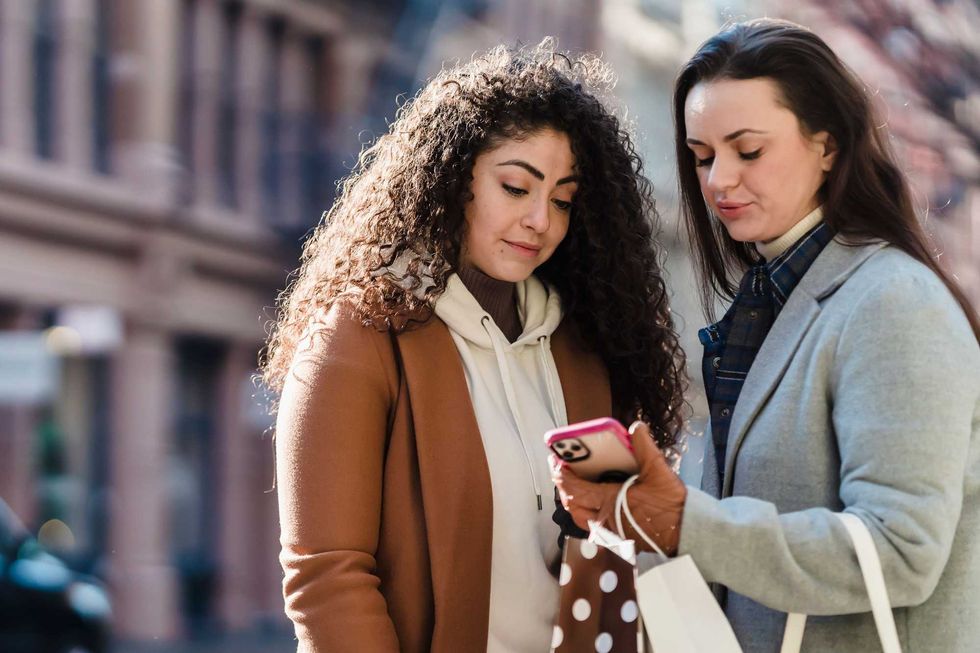 A trusted friend can help you confirm your suspicions. Tim Douglas | Pexels
Fraud is a serious business, with $704 million in reported losses in 2025, according to the Canadian Anti-Fraud Centre, which is also a great resource for staying informed about online scams in Canada. Common scams rely on getting you to act before you've had a chance to think.
Whether it's a text message with a "now or never" message or an email with a too-good-to-be-true offer (alongside a countdown timer, no less), there's no deal so good you can't take a moment to double-check the details.
Talking to someone you trust, typing the shop's website into your browser instead of clicking, and checking the shop's official social media accounts for the offer are all steps you can take to make sure it's legit.
Scammers may be getting smarter, but that doesn't mean you have to give up the convenience of shopping online. By taking your time, checking the details and knowing what to look out for, you can shop with a little more confidence this holiday season.
To learn more about staying safe from holiday shopping scams, visit RBC's My Money Matters website or follow them on Instagram and Facebook.
This content is intended as general information only and is not to be relied upon as constituting legal, financial or other professional advice. A professional advisor should be consulted regarding your specific situation. The information presented is believed to be factual and up-to-date but we do not guarantee its accuracy and it should not be regarded as a complete analysis of the subjects discussed. All expressions of opinion reflect the judgment of the authors as of the date of publication and are subject to change. No endorsement of any third parties or their advice, opinions, information, products or services is expressly given or implied by Royal Bank of Canada or any of its affiliates.