Hodgson pitches major projects to First Nations as wildfires scorch communities
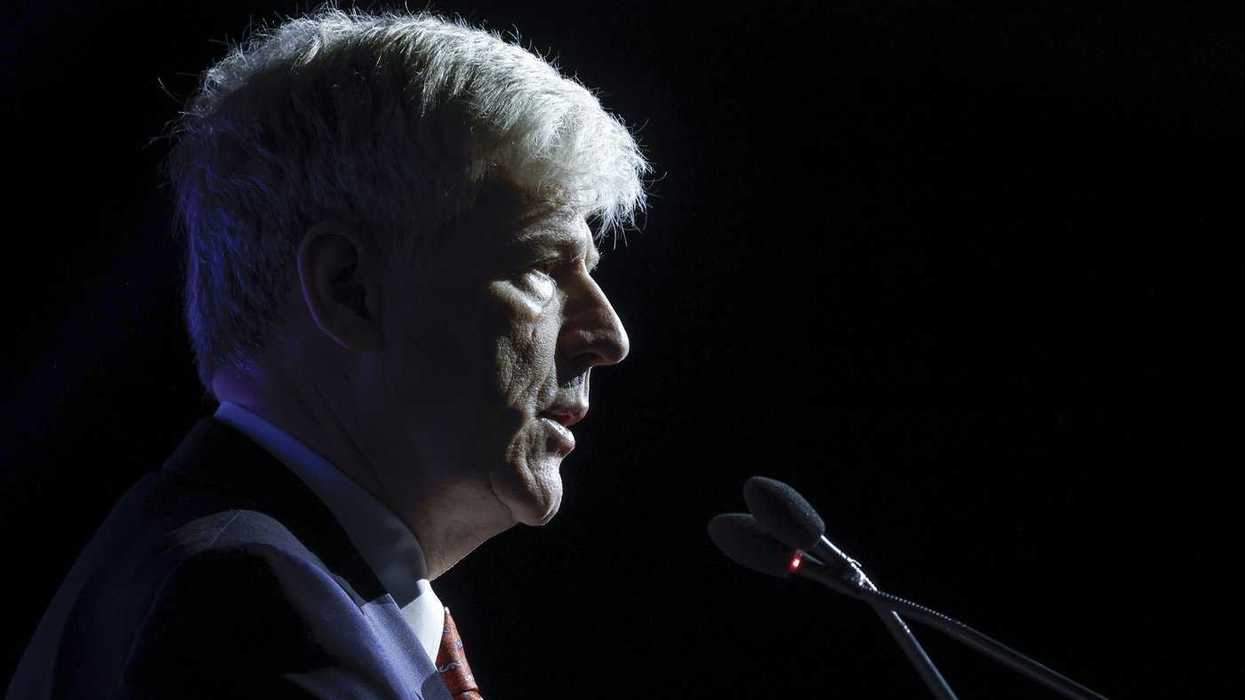
As Natural Resources Minister Tim Hodgson pitched First Nations chiefs in Ottawa on Thursday on the federal government's major projects push, chiefs in Ontario and Quebec were scrambling to secure federal help for communities forced to evacuate due to wildfires.
One small northwestern Ontario community, Namaygoosisagagun First Nation — also known as Collins First Nation — has burned to the ground.
Ontario Regional Chief Abram Benedict and Anishinabek Nation Grand Council Chief Linda Debassige said the community is being left behind by Indigenous Services Canada because it isn't recognized as a First Nation by the federal government.
Anishinabek Nation has been fundraising on Collins First Nation's behalf. Chiefs and officials gathered in Ottawa this week for the Assembly of First Nations annual meeting held a blanket dance to raise money for the community to cover things like clothing, food and hotels.
As of Thursday evening, they had raised more than $17,000 for the community.
"The province and feds did not listen to the pleas that the community expressed prior to their own forced self-evacuation," Debassige told chiefs in Ottawa on Thursday.
"However, if this community had waited for the official response, we would be recovering the bodies of children, of elders and the men and women of this community."
Fires have triggered evacuation orders in multiple First Nations communities in the region, including Lac La Croix First Nation, Whitesand First Nation, Gull Bay First Nation and Lac des Mille Lacs First Nation.
Chiefs passed an emergency resolution calling on Indigenous Services Canada to offer supports to help Collins First Nation evacuees and the rebuilding of the community.
Hodgson's message Thursday — that Canada's major projects push needs First Nations partners — got a skeptical reception from some chiefs in the audience.
"Today we see First Nations as builders, owners and partners in some of the most important energy, infrastructure and resource projects we have underway in this country," Hodgson told the chiefs earlier Thursday morning.
Reacting to Hodgson's speech, Cold Lake First Nations Chief Kelsey Jacko said "we will not allow our traditional territory to be treated as an underground garbage dump for multibillion-dollar oil companies."
"Reconciliation is not a buzzword to use while you fast-track pipelines behind our backs," he told the minister. "If you want to build through our territory, you face us directly as a sovereign government."
First Nations chiefs vowed at the annual meeting Wednesday to oppose any actions by federal and provincial governments to expedite major projects that would undermine their rights and environmental protections.
They are expected to bring that same message to an October meeting with Prime Minister Mark Carney and provincial and territorial leaders.
Veronica Smith, chief of Chippewas of Nawash Unceded First Nation, said recent federal moves to speed up major projects "have raised concerns among First Nations across Canada that efforts to expedite project approvals may undermine the meaningful implementation of free, prior and informed consent, treaty relationships, environmental stewardship responsibilities and nation-to-nation decision-making."
Speaking with reporters after her own address to chiefs Thursday, Indigenous Services Minister Mandy Gull-Masty was asked what First Nations should make of federal ministers pitching their major projects agenda as some chiefs are watching their communities ravaged by fire.
The minister said she would support any requests from fire-struck communities for federal resources.
"Climate change and huge emergency situations that we have to respond to are becoming the norm and this is really concerning to me," she said. "We have to make sure that we're turning to the community for that traditional knowledge, for their awareness of what's happening on the front lines."
The Assembly of First Nations is a national advocacy body that takes its direction from 630 First Nations chiefs through special and annual general assemblies.
Chiefs at this week's assembly have been debating 53 resolutions on various topics, and passed resolutions on the state of First Nations child welfare, calls for the Vatican to rescind a series of papal decrees, as well as artificial intelligence and digital connectivity.
They also passed a resolution rebuking separation movements in Alberta and Quebec, calling on federal and provincial governments to respect the rights of First Nations and ensure that constitutional changes that may affect those rights proceed only through government-to-government engagement and free, prior and informed consent.
In her closing remarks, Assembly of First Nations National Chief Cindy Woodhouse Nepinak said Carney has asked First Nations what they are for, not what they are against.
"Personally, I believe all views should be respected and heard in this country," Woodhouse Nepinak said.
"But I understand the prime minister is coming from a different place, so we are happy to focus on what First Nations are for, because we have been proposing constructive solutions to make this country better for the generations to come."
She said what they are for starts with justice, truth and reconciliation.
"Chiefs have demonstrated again that First Nations are for economic growth and prosperity for all, but not at the expense of our rights or the government's legal obligations to our people. And you have shown again that First Nations are for access to clean drinking water and clean water as a fundamental human right."
This report by The Canadian Press was first published July 16, 2026.
By Alessia Passafiume | Copyright 2026, The Canadian Press. All rights reserved.