Alberta Catholic bishops urge faithful to consider impact of referendum on vulnerable
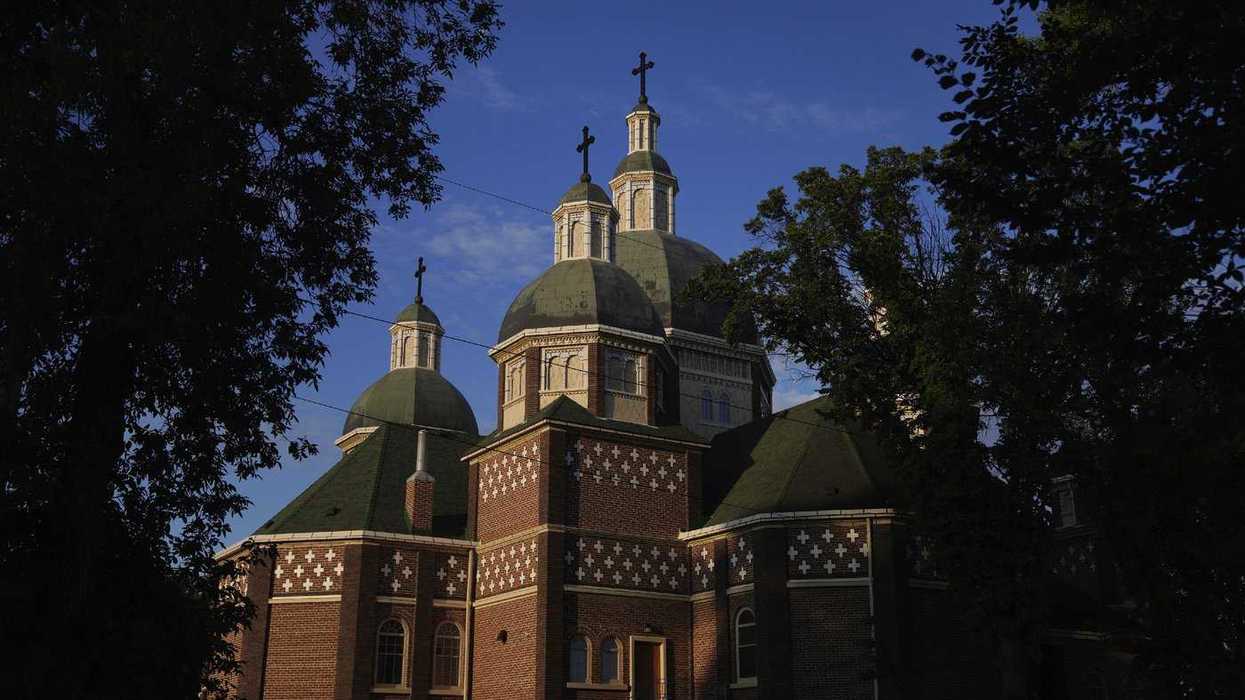
Alberta's Catholic bishops are imploring parishioners to think about how the province's upcoming referendum proposals may affect vulnerable people.
The five bishops, in a joint public letter, ask parishioners to consider the effects of the ballot proposals on children, those in poverty, the sick and the isolated.
"A person's worth does not depend on citizenship, income, ability or contribution to society," they state in the letter, dated Oct. 1.
On Oct. 19, Premier Danielle Smith’s government is asking Albertans a series of questions as it seeks a mandate to put limitations and fees on newcomers.
The questions include whether Alberta should seek more control over immigration and put more rules around which newcomers can access services like health care and education. It also asks if it’s time to put in minimum residency requirements and fees on health and education for some newcomers.
The premier is urging Albertans to vote yes to those proposals, saying immigration is welcome but if not managed places a debilitating burden on public services.
The bishops, in the letter, acknowledge those are legitimate concerns but say, "They must be addressed in ways that respect human dignity and avoid making any segment of our population the object of resentment or blame."
They add, "Decisions concerning health care, education and public resources should promote equitable access and responsible stewardship, with due regard for future generations."
The province's three Anglican bishops have also issued a public statement on the referendum that echoes the concerns of the Catholics.
"Jesus is clear that our neighbour is not just those who we think truly belong,” the Anglican bishops wrote in the Sept. 29 letter to their community.
“We have a responsibility to support and protect the lives, dignity and worth of everyone we meet, regardless of their identity or status in our eyes.”
The Anglican bishops say they do not normally wade into political issues, but say the referendum questions ultimately come down to choosing what kind of society we aspire to have.
The Catholic bishops say that while the church remains independent of party politics, the faithful have a responsibility to bring Christian wisdom and sound judgment to moral questions in public life.
Neither letter tells people how to vote, but both make appeals to the common good.
Asked for a response, Sam Blackett, the premier's press secretary, said in a statement the government is looking forward to getting direction from voters on Oct. 19.
"The questions on immigration simply address the current unsustainable immigration levels in Canada that are putting real pressures on critical public services," he said.
He added that the questions also reflect feedback they heard from Albertans during a series of public town halls last summer. At one such event in Lloydminster, the prospect of mass deportations drew loud cheers from the crowd.
The immigration questions are part of a package of nine introduced by Smith on Feb. 19.
The day prior to that, Bruce McAllister, executive director in Smith's office, pointed to religious values when decrying what he called unmanageable population growth in Canada.
"Why import from nations with failed systems when our Judeo-Christian heritage and principles have worked so well here?" McAllister wrote on social media.
The rest of the nine questions address concerns about the Constitution.
The 10th was added later and has become the focus of attention. It asks whether Alberta should stay in Canada or whether it’s time to hold a second, binding vote on leaving Canada.
This report by The Canadian Press was first published Oct. 5, 2026.
By Lisa Johnson | Copyright 2026, The Canadian Press. All rights reserved.