So many American nurses are moving to BC to escape 'uncertainty and chaos' in the US
The province is ramping up its recruitment of U.S. nurses and fast-tracking the credential registration process.
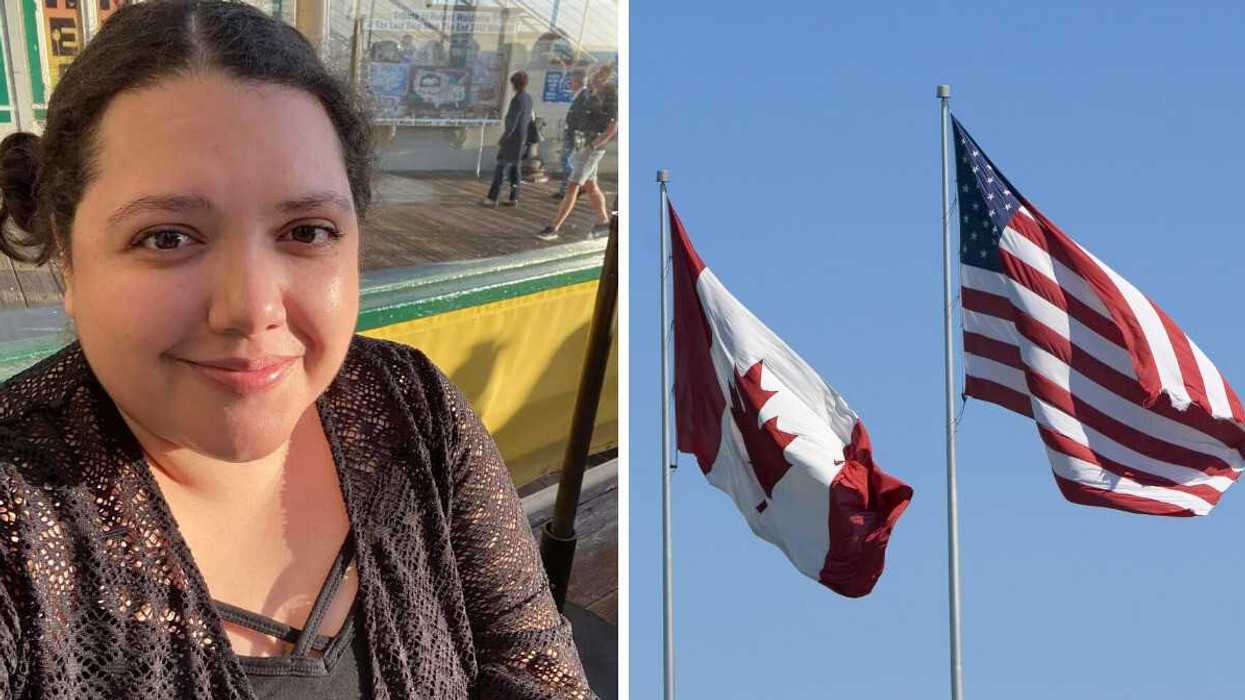
Alex Alvarez, shown in this undated handout photo, is moving from Anchorage, Alaska, to Nanaimo, B.C., to work as a nurse.
This summer, Alex Alvarez will pack her belongings and make the 3,500-kilometre trek with her husband, young son and Boston Terrier from Anchorage, Alaska, to Nanaimo, B.C. — a city she's never visited — to work as a registered nurse.
Alvarez is among hundreds of American health-care workers the province says are relocating to B.C. to escape "uncertainty and chaos" in the United States.
"We need to make this move for our future," Alvarez said.
Last spring, the province made changes to fast-track the credential registration process for U.S. nurses.
The BC College of Nurses and Midwives approved the registration of 1,028 U.S. nurses between last April and January, putting it on track for a tenfold increase compared to recent years. In 2023, the college approved 112 applicants, and in 2024, it was 127.
The college could not say how many nurses moved to Canada since some get their registration before starting a job search.
The province also made a recruitment push last summer with a $5-million ad campaign targeting doctors and nurses in Washington, Oregon and California, at locations within a 16-kilometre radius of health-care facilities, as well as on podcasts and Netflix shows.
Health Minister Josie Osborne said the campaign was B.C.'s way of "taking advantage of the uncertainty and chaos" in the U.S. after the election of President Donald Trump.
Alvarez said she had wanted to leave the U.S. even before Trump's re-election, but it was still a contributing factor.
"It feels more dangerous to stay than it does to leave," Alvarez said, adding concerns about U.S. health care, rising cost of living and the lack of a social safety net also prompted her family's decision to move.
Ken Swartz, a registered nurse who moved from California to Prince George around two months ago, gave similar reasons for his decision to accept a nursing job in B.C.
"The politics and the culture in the U.S. has dramatically changed in the past several years," he said.
Both Swartz and Alvarez applied through the streamlined registration process and said it was easy to navigate.
Data from the Ministry of Health shows 1,800 U.S. health workers applied to join the B.C. system between May and September 2025, but only 174 had accepted job offers. Those who accepted include 104 nurses, 41 physicians, 19 nurse practitioners and 10 allied health professionals.
Four of B.C.'s five regional health authorities declined to share how many U.S. nurses they hired since April, deferring to the Ministry of Health. Island Health said it recruited 64 U.S.-trained nurses between April 2025 and Feb. 5 of this year.
Swartz said he applied before B.C. launched its targeted ad campaign, while Alvarez said she did see the ads online.
BC Nurses' Union president Adriane Gear said that while the recruitment of U.S. nurses is a "good news story," it's not enough to meet minimum nurse-to-patient ratios.
She said while the province should continue to recruit internationally educated nurses, it should also focus its efforts on funding more post-secondary nursing seats and retaining the nurses B.C. currently has.
"It's really a drop in the bucket when you look at what needs to happen," she said.
Alvarez and Swartz said they were drawn to B.C. in part by its cultural and language similarities to the U.S.
Though he's only been in Prince George for a few months, Swartz said he's now noticing the cultural intricacies that differentiate Canadians from Americans, citing Canadians' ability to politely wait in line.
"It's just so different from what I expected. In a positive way," he said.
The Tumbler Ridge mass shooting, in which eight victims died, occurred about a month after Swartz arrived in Canada. It was the kind of violence Swartz was trying to leave behind in the U.S., where he said such shootings were a "daily reality" of life there.
"You don't even realize the level of tension that you constantly live under," Swartz said about being American. "It's overwhelming not to have that (in Canada)."
Alvarez said the Canadians she's met so far have been "kind and welcoming." She'll make her first visit to Nanaimo in May before moving permanently in July.
"My mantra throughout this whole process has been like, it's gonna work out," she said. "It'll be great."
This report by The Canadian Press was first published March 10, 2026.
- BC health executive fired for refusing COVID vaccine just lost his appeal for EI benefits ›
- Trump's trade rep says Canada will have to accept higher tariffs & send back US jobs ›
- Canadian father detained by ICE for months says he got 1 frozen waffle in 24 hours ›
- The happiest countries for 2026 were revealed and the US beat Canada for the first time ever - Narcity ›