Citizenship, services and immigration
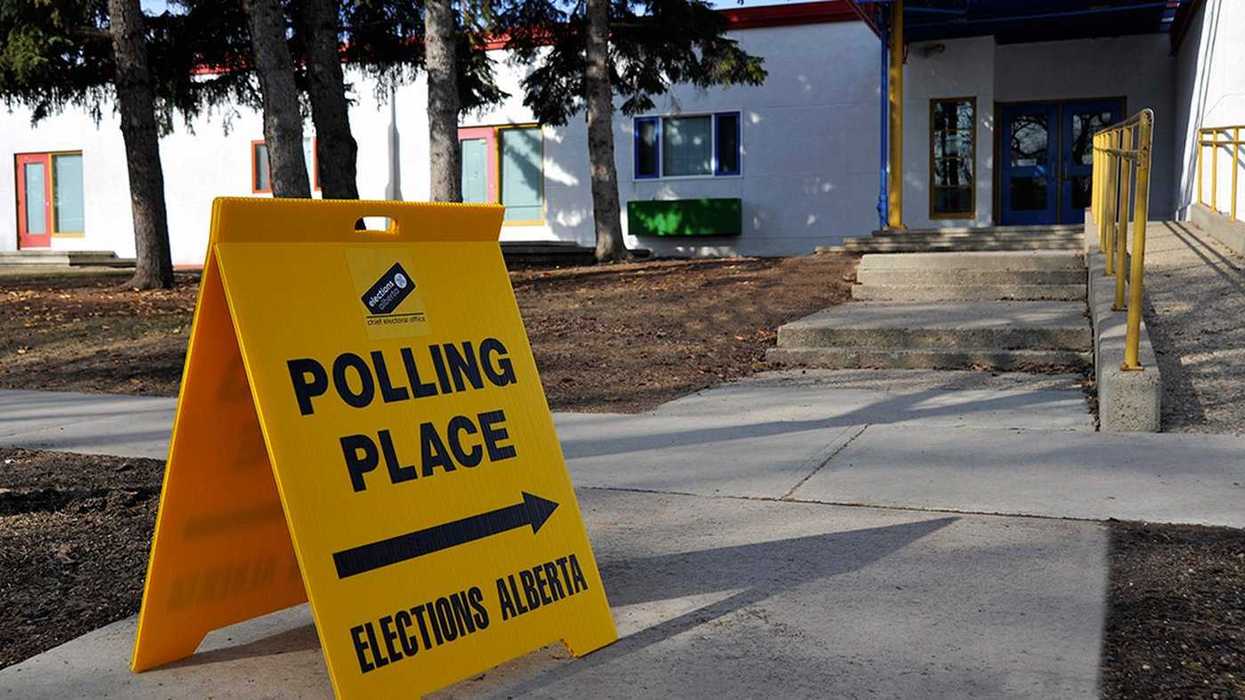
It’s just around the corner now.
The countdown to the Oct. 19 referendum is entering single digits, with select advanced polls open from 9 am to 8 pm starting Tuesday Oct. 13 and running through Saturday, Oct. 17.
In the lead up to Referendum Day, Town & Country News has shared information on how to and where to physically vote, along with some of the things to expect when they get into the voting booth, including the questions that will be posed to them there.
This week, we look at questions related to immigration and how services like healthcare and education are offered and paid for.
The Alberta government has made no secret that it would like to see a vote in favour of all the referendum questions and has spent millions on prime-time television ad space, newspaper, radio and web advertising, along with mailers that landed directly on doorsteps just last week as part of its marketing campaign.
Campaigns that urge voters to vote against all nine of the questions have also popped up, expressing concerns about of what they call “scapegoating” of immigrants.
Do you support the Government of Alberta taking increased control over immigration for the purposes of decreasing immigration to more sustainable levels, prioritizing economic migration and giving Albertans first priority on new employment opportunities?
Organizations like the Canadian Civil Liberties Association (CCLA) say greater provincial control over immigration raises important questions about equality and access to essential services.
“People who live in Alberta, including temporary residents and others with non-permanent immigration status, participate in Alberta communities, workplaces, schools and economies. Access to education, healthcare and social supports can also play an important role in enabling newcomers to establish themselves, participate fully in society and contribute to their communities,” notes CCLA in an Oct. 6 post to its website.
The government view, according to the recent booklet mailed to Alberta voters is “when there is a massive influx of people arriving with limited skills in the sectors most relevant to Alberta’s economic needs it puts undue pressure on youth unemployment, lower-cost housing and government programs.”
Do you support the Government of Alberta introducing a law mandating that only Canadian citizens, permanent residents and individuals with an Alberta-approved immigration status will be eligible for provincially-funded programs, such as health care, education and other social services?
According to provincial government estimates, 600,000 new people have settled in the Alberta in the last five years due to federal immigration policies.
The province would like the ability to approve temporary residents and distinguish them from those it has not approved.
“Offering taxpayer-funded services only to those temporary residents our province has approved will better ensure the public services Albertans rely on are financially sustainable.”
Critics again point to basic rights being determined by which province you choose to reside.
“The wording does not explain who could lose access to basic services or how excluding newcomers to Alberta would hurt workers, families, communities, and the economy,” notes the Alberta’s Voice: Know the Nine webpage, which was created by political campaigner Stephen Carter.
“Health care, education and other social services are human rights, not rights of citizenship. Keeping children out of school would create bigger problems for families, classrooms and community safety.”
Assuming that all Canadian citizens and permanent residents continue to qualify for social support programs as they do now, do you support the Government of Alberta introducing a law requiring all individuals with a non-permanent legal immigration status to reside in Alberta for at least 12 months before qualifying for any provincially-funded social support programs?
Foreign workers in Alberta fill gaps in many industries — primary agriculture, meatpacking, hospitality, food services, tourism and healthcare to name a few. Concerns from groups like the Alberta Chamber of Commerce point out that Alberta businesses rely heavily on a predictable flow of workers to address ongoing workforce shortages.
The ACC continues to advocate for “transparent policy timelines and fair rules that protect economic competitiveness while avoiding sudden regulatory shocks.”
Premier Danielle Smith argued in February that some individuals should be treated “as temporary and tourists.”
“At the end of the day, Alberta and our taxpayers shouldn’t be expected to foot the bill for federal experiments in open borders,” she said.
“Having this kind of waiting period will ensure that temporary residents moving to Alberta are doing so primarily for economic purposes rather than our world class social programs,” the government literature reads. “It will also ensure our province can sustain the public services Albertans rely on.”
Assuming that all Canadian citizens and permanent residents continue to qualify for public health care and education as they do now, do you support the Government of Alberta charging a reasonable fee or premium to individuals with a non-permanent immigration status living in Alberta for their and their family's use of the health care and education systems?
Closely related to the previous two questions, the government would like a mandate to charge a premium to non-residents to access health and education services. The province estimates that providing these services currently costs more than $1 billion per year.
Premier Smith has floated a number of $1,900 to access healthcare services, much like is done in the UK.
Critics point out that temporary workers already pay taxes, so a premium would be on top of those taxes already collected.
Do you support the Government of Alberta introducing a law requiring individuals to provide proof of citizenship, such as a passport, birth certificate or citizenship card, to vote in an Alberta provincial election?
The CCLA is concerned a requirement to prove citizenship would add a barrier to the democratic process but recognizes the importance of protecting the integrity of the voting process.
“Canadian citizenship is already a requirement to vote in Alberta provincial elections. Existing identification methods have been very effective at ensuring only eligible voters participate in elections. Currently, however, voters must prove their identity and current address, and Elections Alberta accepts more than 50 forms of identification.”
The provincial government points out it has already added citizenship markers to provincial identification cards.
“Currently, only Canadian citizens are eligible to vote, but no proof of citizenship is required. Citizenship must be established prior to voting in dozens of countries including Czechia, France, Mexico, Poland and Brazil.”
Copyright 2026, Town & Country News. All rights reserved.
Chris Zwick, Local Journalism Initiative Reporter, Town & Country News.