Final numbers in: Alberta separation referendum turnout pegged at 70.4 per cent
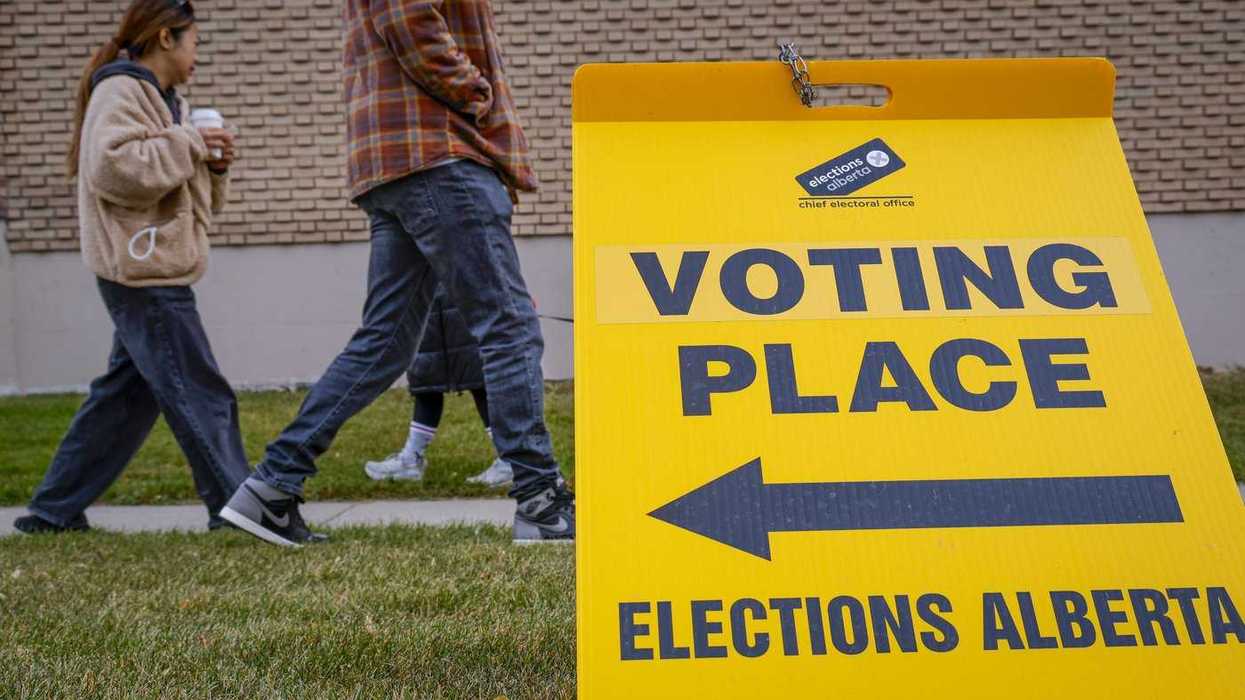
The final count is in, and Alberta's historic referendum on separation saw voters trek to the polls in the highest numbers in decades.
That's according to official results from Elections Alberta, released Thursday, which peg voter turnout on the separation question at 70.4 per cent.
The turnout is the highest for a provincewide vote since at least 1975, but it fell short of breaking the record of 81.8 per cent turnout seen in the 1935 general election.
Last week’s vote was on 10 questions. Three-quarters of voters, or close to 1.56 million Albertans, said they want to stay in Canada rather than hold a second, binding referendum on separation.
The other nine questions saw voters, by slim margins, sign off on the province pursuing changes to immigration policies and reject proposals from Premier Danielle Smith on changes to Canada's Constitution that would transfer more power from Ottawa to the provinces.
The official results show that not everyone who voted cast a ballot on all 10 questions.
In fact, the separation question itself didn't receive the most ballots.
That honour belongs to the question about whether voters should have to prove citizenship when voting in provincial elections. It received nearly 600 more total votes than the headlining separation question and about 58 per cent of voters said yes to the proposal.
The question with the lowest turnout was whether Alberta should take more control from Ottawa over immigration so that fewer newcomers come to the province and current residents are prioritized for jobs. Elections Alberta tallied the turnout at just under 70 per cent, or roughly 14,000 fewer total votes than the separation question.
Just over 22.1 million ballots were cast in total across all 10 questions.
The official results also confirmed a stark divide among voters in Alberta's two major cities and the rest of the province.
Edmonton and Calgary's 46 combined ridings resoundingly rejected the issue of separation. (Voters in Opposition NDP Leader Naheed Nenshi's Edmonton-Strathcona riding, for example, were almost 91 per cent in favour of staying in Canada.)
Elsewhere, the margins were tighter.
Two rural ridings — both held by cabinet ministers in Smith's government — saw very slim majorities in favour of Alberta holding a second, binding separation vote.
Forestry and Parks Minister Todd Loewen's Central Peace-Notley constituency voted 50.4 per cent in favour of a second vote. Finance Minister Jason Nixon's Rimbey-Rocky Mountain House-Sundre riding totalled 50.9 per cent in favour.
There were also close calls in rural areas. Just 51.6 per cent of voters in former finance minister Nate Horner's Drumheller-Stettler riding voted to stay in Canada.
About 63 per cent of voters in Smith's Brooks-Medicine Hat riding in southern Alberta voted to stick with Canada.
The urban and rural divide was also evident when it came to the immigration questions, which drew widespread support in rural areas and even some bedroom communities outside the two major cities.
All 20 Edmonton ridings rejected three of the five immigration proposals, while one riding, by a margin of 78 votes, said yes to taking more control from Ottawa. The question about proving citizenship to vote drew the support of seven ridings in the capital city.
Calgary's 26 ridings, 12 of which elected UCP representatives in the last election, were a bit more supportive of immigration reform. A handful of the city's constituencies approved most of the five questions while the issue of proving citizenship drew majority support from more than half of ridings.
A majority of ridings provincewide, including all of Edmonton and Calgary, voted against all four constitutional proposals. The premier told reporters last week that she understood this to mean Albertans want her government to focus on areas where it could make meaningful change.
Smith has said the overall results on the immigration questions and the muted support seen in the major centres means her government would be proceeding with caution. She's also said that she'll be putting together a proposal to present to Ottawa on how the two governments can have a "collaborative approach" on immigration.
No government legislation is expected to come forward in the fall sitting, which got underway this week.
As for Alberta’s place in Canada, Smith has said the issue is now settled and there will not be any more separation referendums while she is premier.
This report by The Canadian Press was first published Oct. 29, 2026.
— With files from Lisa Johnson
By Jack Farrell | Copyright 2026, The Canadian Press. All rights reserved.