Canada has issued travel warnings for 8 winter sun spots, including Cuba, Mexico & Jamaica
Escaping the cold this winter? Read this first.👇
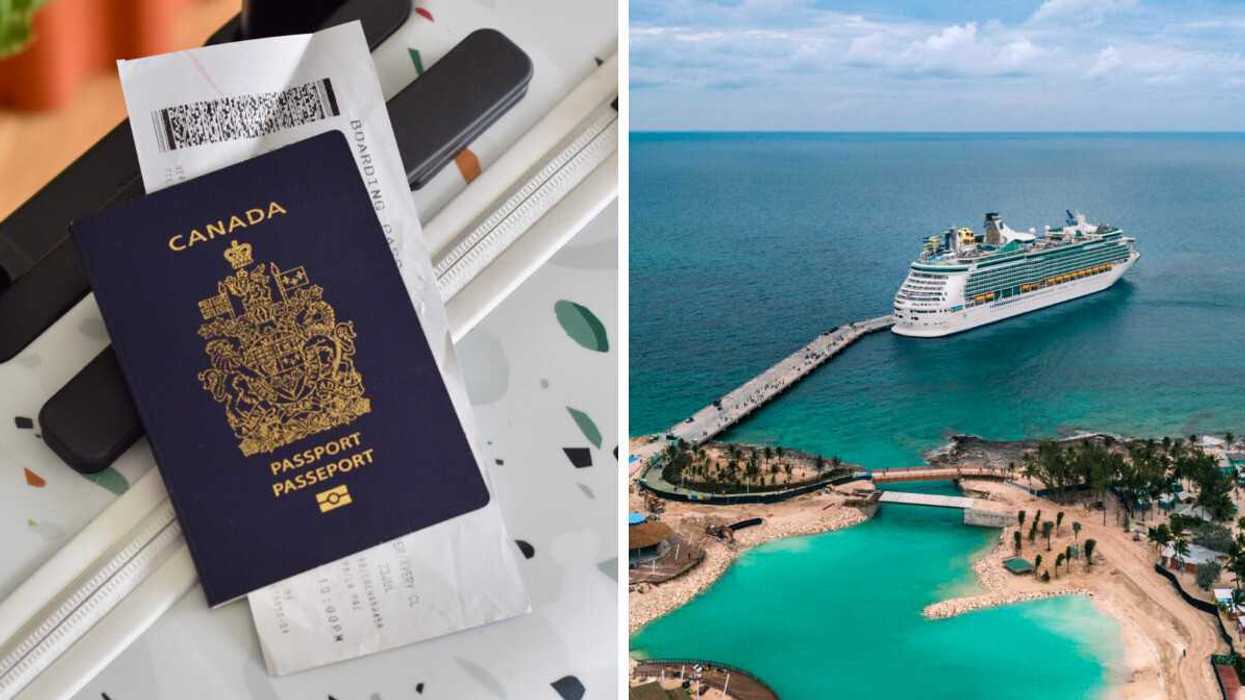
Canada has issued travel warnings for 8 sun hotspots that Canadians love.
Dreaming of trading snowbanks for sandy beaches this winter? Before you lock in that cheap flight or last-minute all-inclusive deal, it's worth checking Canada's latest travel advisories first — just in case.
The Government of Canada has updated its travel warnings for several popular winter sun destinations, including Caribbean favourites like Cuba, Jamaica and the Dominican Republic, along with farther-flung hotspots like Thailand and Peru.
Most of these spots fall under "exercise a high degree of caution," which means travel is still possible, but there are specific risks you'll want to know about. However, Cuba's advisory remains at "avoid non-essential travel," and all Canadian airlines have suspended service to the island until further notice.
Canada's travel advisory system uses four risk levels: "Take normal security precautions," "Exercise a high degree of caution," "Avoid non-essential travel," and "Avoid all travel." Knowing where your destination sits on that scale can help you prepare properly — and it matters for your travel insurance coverage, too.
From organized crime in Mexico to fuel and power shortages in Cuba, here's what Canadians need to know about the latest travel advice for eight popular winter sun destinations.
Cuba
Last Updated: October 5, 2026
Risk Level: Avoid non-essential travel to Cuba due to worsening shortages of fuel, electricity, and basic necessities including food, water, and medicine.
Details: Cuba has long been a go-to winter escape for Canadians, but the Government of Canada is still advising against non-essential travel to the island this season.
All Canadian airlines have suspended service to Cuba until further notice. Commercial flights are still available through international carriers, but officials warn those options could become limited on short notice — and that Canadians already in Cuba should consider leaving while they can.
Long, unpredictable power cuts happen daily, and nationwide outages can last more than 24 hours. Most large resorts rely on generators, but fuel shortages can affect food service, lighting, running water and hot water. Taxis and other transportation are often disrupted, and some travellers have been stranded after their rental cars ran out of gas.
Money is another big consideration. As of June 6, 2026, Visa and Mastercard credit and debit cards are no longer accepted in Cuba, so plan to bring enough cash for your whole trip. U.S. dollars and euros are more widely accepted than Canadian dollars.
Officials also note that the local security situation has deteriorated, and foreigners may be at increased risk of opportunistic crime.
If you do travel, pack all the medication, toiletries and basic supplies you'll need, and keep an emergency kit on hand.
Mexico
Last Updated: October 19, 2026
Risk Level: Exercise a high degree of caution in Mexico due to high levels of criminal activity and kidnapping.
Details: With its sunny coastlines, incredible food and endless all-inclusive options, Mexico is one of the most popular winter getaways for Canadians — but the Government of Canada says travellers should stay alert.
In its latest update, Canada removed an advisory to avoid non-essential travel to Mexico's west-central coast. However, regional advisories remain in place for several states due to violence and organized crime, including Chihuahua, Guerrero, Michoacán, Sinaloa, Tamaulipas and Zacatecas, as well as parts of Chiapas, Colima, Guanajuato, Jalisco, Nayarit, Nuevo León and Sonora. Some cities and resort areas within those states, like Ixtapa/Zihuatanejo and parts of Mazatlán, are exempt when accessed by air.
Violent crime still occurs in major cities, popular tourist areas and resorts, and fights between criminal gangs and cartels have broken out in hotels, nightclubs and restaurants. Express kidnappings, where victims are forced to withdraw cash from ATMs, happen frequently, and some offenders pose as taxi drivers or police officers.
Officials also warn about spiked drinks — including cases of eye drops being added to beverages — and unregulated alcohol served at some bars, restaurants and resorts. Order drinks in sealed bottles or cans, and never leave them unattended.
Another resort-specific tip: balcony railings in Mexico are considerably lower than Canadian standards, and people have been injured or killed in falls.
Thailand
Last Updated: October 13, 2026
Risk Level: Exercise a high degree of caution in Thailand due to ongoing political tensions and sporadic demonstrations in Bangkok and elsewhere in the country.
Details: Thailand's white-sand islands, buzzing night markets and incredible food make it a bucket-list winter escape for many Canadians, but there are a few areas officials say to steer clear of entirely.
The Government of Canada advises avoiding all travel within 50 kilometres of the Thailand-Cambodia border. A ceasefire has been in effect since December 27, 2025, but the situation remains unpredictable and land border crossings are closed.
Canadians should also avoid all travel to the southern provinces of Narathiwat, Pattani and Yala, and parts of southern Songkhla, including the city of Hat Yai, due to violent attacks by separatist insurgents.
There's also an ongoing threat of terrorism. Thai authorities defused devices in Phuket, Krabi and Phang Nga in June 2025, and small-scale bomb attacks have happened in public places.
In tourist hotspots, be extra careful at night during full moon parties on Koh Pha Ngan and Koh Tao, where robberies and assaults have occurred. Officials strongly advise against riding motorcycles, even if you're experienced, and say you should never leave your passport as collateral when renting a scooter or jet ski.
Peru
Last Updated: October 15, 2026
Risk Level: Exercise a high degree of caution in Peru due to high levels of crime, as well as social conflicts and strikes that may occur across the country.
Details: With summer in full swing in the southern hemisphere, Peru's coastline, Andes mountains and Machu Picchu draw plenty of Canadians looking to escape the cold, but the country's advisory comes with several regional warnings.
Canada advises against all travel to the Valley of the Apurímac, Ene and Mantaro Rivers (VRAEM) due to terrorism and drug trafficking, and against non-essential travel to the Upper Huallaga River Valley and areas within 20 kilometres of the borders with Colombia and Ecuador.
States of emergency are in effect in Lima, Callao and several other provinces to curb a rise in violent crime, and officials note a marked increase in violent crime in the Province of Lima. Express kidnappings involving tourists have occurred, and criminals posing as taxi drivers have robbed travellers heading to and from airports, including Lima's Jorge Chávez International Airport.
Strikes and demonstrations can pop up with little notice and disrupt travel — including trains to and from Machu Picchu.
The rainy season also runs from November to May in the Andes, which can bring flooding and landslides.
Costa Rica
Last Updated: October 14, 2026
Risk Level: Exercise a high degree of caution in Costa Rica due to crime.
Details: Costa Rica's rainforests, surf towns and "pura vida" lifestyle make it a favourite for Canadians chasing winter sunshine, but petty crime is a real concern, especially during peak season.
Passport theft is extremely common and spikes during the busy tourist seasons, including from November to May. Thieves often work in teams, with one person distracting victims while another grabs their belongings.
Officials flag several popular spots for theft, including Jacó, Manuel Antonio National Park, Quepos, Santa Teresa, Mal País and Montezuma on the Pacific coast, and Puerto Viejo, Cahuita and Puerto Limón on the Caribbean side.
Car break-ins are also very common, particularly at hotels, beaches and national park parking lots. Some thieves use "key jammers" to stop car doors from locking, so always double-check manually — and never leave belongings in your vehicle, even in the trunk.
There have also been casualties linked to unregulated alcohol containing high levels of methanol. Buy alcohol from reputable establishments, and seek medical help if you start feeling sick.
The Bahamas
Last Updated: October 13, 2026
Risk Level: Exercise a high degree of caution in The Bahamas due to high rates of crime, especially in Nassau and Freeport.
Details: With its turquoise waters and postcard-worthy beaches, The Bahamas is a dream escape for sun-seeking Canadians, but staying alert in places like Nassau and Freeport is key to staying safe.
Robberies happen in cruise ship terminals and in and around popular resort areas, even during daylight hours, and crime tends to increase during holidays, festivals and regattas. Most violent crime occurs on New Providence and Grand Bahama, often in non-tourist areas.
Sexual assaults have occurred near hotels and in hotel rooms, in casinos, on cruise ships, on beaches and during jet ski rides — and in some cases, victims were drugged first. Officials say tourists should never accept drinks from strangers, and avoid unattended beaches.
The Government of Canada also warns drivers never to get out of their car to remove objects blocking the road, as this can be a setup for robbery or carjacking. If you're taking a taxi, only use officially marked ones with "TN" on yellow licence plates.
Jamaica
Last Updated: May 26, 2026
Risk Level: Exercise a high degree of caution in Jamaica due to the high level of violent crime, particularly outside tourist areas.
Details: Jamaica's beaches, rum cocktails and laid-back vibes make it a winter favourite for many Canadians, but violent crime remains a concern in some parts of the island.
The Government of Canada notes that violent crime has decreased in recent years, but it's still an issue in parts of Kingston and Montego Bay, as well as St. Catherine and May Pen. Police are present at resorts and tourist areas, though assaults and robberies still happen there.
Sexual assaults have been reported at tourist resorts, carried out by resort staff and, in some cases, other tourists. Gated, guarded compounds are considered the safest accommodation option, and officials recommend avoiding excessive drinking — especially at all-inclusives.
Police checkpoints are common, particularly along the A1 (North Coast Highway), so carry ID and build in extra travel time. Only use taxis authorized by JUTA, identified by red-and-white "PP" plates and a lime-green sticker.
Same-sex sexual acts remain illegal in Jamaica, and 2SLGBTQI+ travellers have experienced harassment and abuse.
Dominican Republic
Last Updated: May 26, 2026
Risk Level: Exercise a high degree of caution in the Dominican Republic due to crime.
Details: The DR's beaches and all-inclusive resorts draw thousands of Canadians every winter, but crime affects both tourist areas and local communities.
Petty theft is common, including at resorts and hotels — even inside private rooms and room safes. Drive-by robberies by thieves on motorcycles, scooters or bicycles happen often, and at airports, thieves may target checked baggage. Don't pack valuables in your checked luggage.
Criminals also target cars on the road after dark, so officials recommend arriving and departing during daylight hours. Sexual assaults have occurred at major resorts and hotels, including some involving employees. If you're a victim of a crime, you must file a formal complaint with local authorities before leaving the country for an investigation to move forward.
The border with Haiti, particularly around Dajabón, remains unpredictable, and land and sea crossings are closed to travellers.
Travel advisories can change quickly, so check the Government of Canada's travel advice page before you book — and again closer to your departure date. If you're heading somewhere with an active advisory, make sure to confirm what your travel insurance covers before you go.
Safe travels, Canada!
Before you get going, check out our Responsible Travel Guide so you can be informed, be safe, be smart, and most of all, be respectful on your adventure.
AI tools may have been used to support the creation or distribution of this content; however, it has been carefully edited and fact-checked by a member of Narcity's Editorial team. For more information on our use of AI, please visit our Editorial Standards page.