Canada's US travel advisory was just updated — Here's what summer visitors should know
Heading stateside? Listen up! 👀
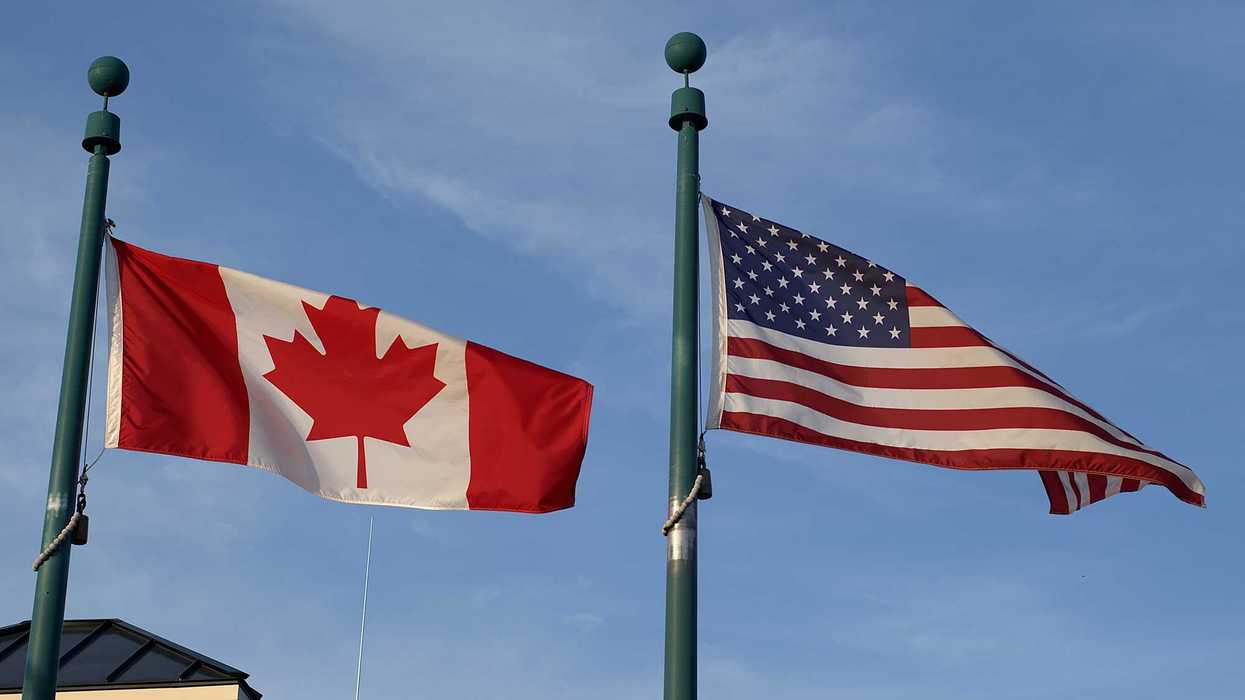
Canada's travel advisory for the U.S. was updated on May 26, 2026.
If you're planning a trip to the United States this summer, listen up! Canada just updated its travel advisory for the U.S., and there are a few things worth reading before you go.
The overall risk level hasn't changed — the U.S. still sits at "Take normal security precautions," the lowest level on the Government of Canada's scale — but a handful of updates, including one added just this week, are worth paying attention to.
The most recent update concerns the ongoing Ebola outbreak. Some countries have started imposing entry restrictions and health screening measures for travellers who have recently visited affected areas. If you're flagged as showing possible symptoms, you could face isolation, quarantine or travel restrictions at your destination.
The Government of Canada recommends checking directly with U.S. authorities for the most current requirements before you leave to avoid any issues.
What's more, with the FIFA World Cup 2026 running from June 11 to July 19 across Canada, Mexico and the United States, the border is set to be much busier than usual. If you're heading down for the tournament, the government has a dedicated advisory page with specific guidance for Canadian World Cup travellers.
According to the advisory, the 11 U.S. host cities — Atlanta, Boston, Dallas, Houston, Kansas City, Los Angeles, Miami, New York/New Jersey, Philadelphia, San Francisco Bay Area and Seattle — will all see major impacts on traffic, parking and public transit, so Canadian visitors should plan accordingly.
If you're visiting for the soccer, bring proof of your tickets and confirmed accommodation when crossing the border, since officers may ask to verify them — and a ticket alone doesn't guarantee entry into the country. You must also meet all of the relevant visa and entry requirements prior to departure.
If you cross the land border between the U.S. and Canada, the Government of Canada recommends that you know what to expect. Something that catches many travellers off guard: U.S. border agents can search your phone, laptop or tablet without giving a reason. If you refuse, they can seize your device or deny you entry.
The advisory suggests switching to airplane mode before you cross so that remote files aren't accidentally downloaded during an inspection.
If your trip runs longer than 30 days, you're legally required to register with the U.S. government — skipping that step can result in fines or complications the next time you cross.
On the safety side, the advisory flags a few points particularly relevant to summer travellers. Gun violence is a consistent concern — firearm possession rates are high, open carry is legal in many states, and mass shooting incidents do occur. While tourists are rarely involved, the Canadian government advises staying alert at all times.
Petty crime, such as pickpocketing and bag snatching, is also common in urban centres and tourist areas, so keep your belongings secure and don't leave anything in a parked car, including the trunk.
If you're moving between the U.S. and Mexico during the World Cup, the Canadian government recommends travelling by air rather than by land, given the criminal activity and violence in some border areas.
If you do cross into Mexico by car through California, Arizona, New Mexico or Texas, the advisory also notes that criminal activity linked to drug trafficking is more frequent in those border areas, and recommends only using official crossings and avoiding travel at night.
On the seasonal side, hurricane season runs from early June through the end of November across the Atlantic, Caribbean and Gulf of Mexico, and storms can escalate fast. Heat is a serious concern from June to September — especially across the South and Southwest — and wildfires are common during the summer months, so it's worth keeping an eye on air quality if you have any respiratory conditions.
Finally, make sure travel insurance is sorted before you leave. Canada's travel advisory for the U.S. says that American healthcare is "excellent" but expensive, and that without coverage, you'll pay out of pocket for any treatment you receive.
The full advisory is available online and updated regularly — and it's definitely worth a read if your U.S. trip is coming up soon.
Safe travels, Canada!
READ NEXT: The feds just issued new travel advice for all Canadians going abroad this summer
Before you get going, check out our Responsible Travel Guide so you can be informed, be safe, be smart, and most of all, be respectful on your adventure.
AI tools may have been used to support the creation or distribution of this content; however, it has been carefully edited and fact-checked by a member of Narcity's Editorial team. For more information on our use of AI, please visit our Editorial Standards page.