Saskatchewan's deficit forecasted to shrink to $784M, expenses and revenues both up
The Saskatchewan government reported Wednesday that its finances are doing better but it's still forecasting a deficit deep in the red.
In a mid-year fiscal update, the province says the 2026-27 deficit is projected to be $784 million. It's an improvement from the $819-million deficit projected earlier this year during the budget.
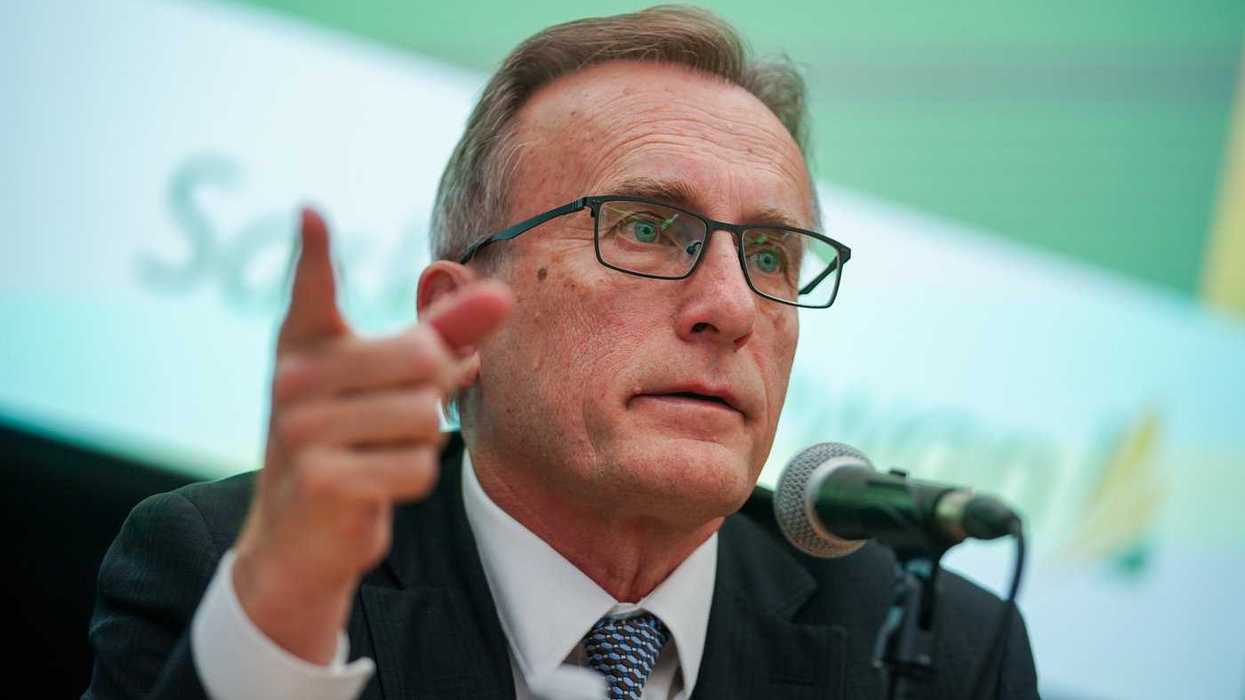
"I'm feeling pretty good about what the projections look like," Finance Minister Jim Reiter told a news conference.
"I don't like deficits. I want to get back to a surplus."
The document shows better oil, potash and uranium prices are expected to boost revenues by $725 million. It says oil is a main driver of those revenues, largely due to the war in Iran pushing up prices.
Expenses are also up.
The document says the province plans on spending an additional $633 million, with most of those dollars going towards addressing operational pressures in health care.
The province also expects to spend millions more to cover disaster expenses related to floods and wildfires earlier this year.
Reiter said the strength of Saskatchewan's economy is helping keep the books on track.
Asked if U.S. tariffs are taking a toll, Reiter said Saskatchewan's export-based economy has helped it stay resilient. But there are certain sectors, like forestry, that are hurting, he said.
The province's total debt is forecast to be $43.8 billion — an increase of $236 million. The unemployment rate is also expected to hover around 5.9 per cent.
The Opposition NDP said the Saskatchewan Party government's fiscal update fails to meet the needs of residents.
Trent Wotherspoon, the NDP's finance critic, told reporters the province should use extra resource revenues to cut the gas tax and the provincial sales tax on some grocery items.
"It's basically more money in, more money out, with so very little to show for it."
Wotherspoon added the fiscal update also breaks an election promise, as Premier Scott Moe had pledged to balance the books by next year.
Reiter said the province is expecting to post a surplus in four years.
He also said bringing in additional measures, like gas and sales tax cuts, would cost more money.
Reiter said the province's decision to not collect industrial carbon taxes, which residents would pay on electricity bills, is an affordability measure. Saskatchewan has also lowered personal income taxes, he added, which was a key election promise in 2024.
"We recognize how important that is," he said "We recognize the strain people are under with bills, with inflationary pressures."
Meanwhile, Reiter said the province is participating in the federal government's mega deduction tax program, which is meant to attract investment.
The program allows businesses to write off certain capital expenses in a single year, rather than incrementally over several years.
Reiter said the program is included in the fiscal update and is expected to cost the treasury $400 million each year.
This report by The Canadian Press was first published Nov. 25, 2026.
By Jeremy Simes | Copyright 2026, The Canadian Press. All rights reserved.