You could be part of an $8 million class action lawsuit if you bought beef in Canada
This is related to alleged price fixing.
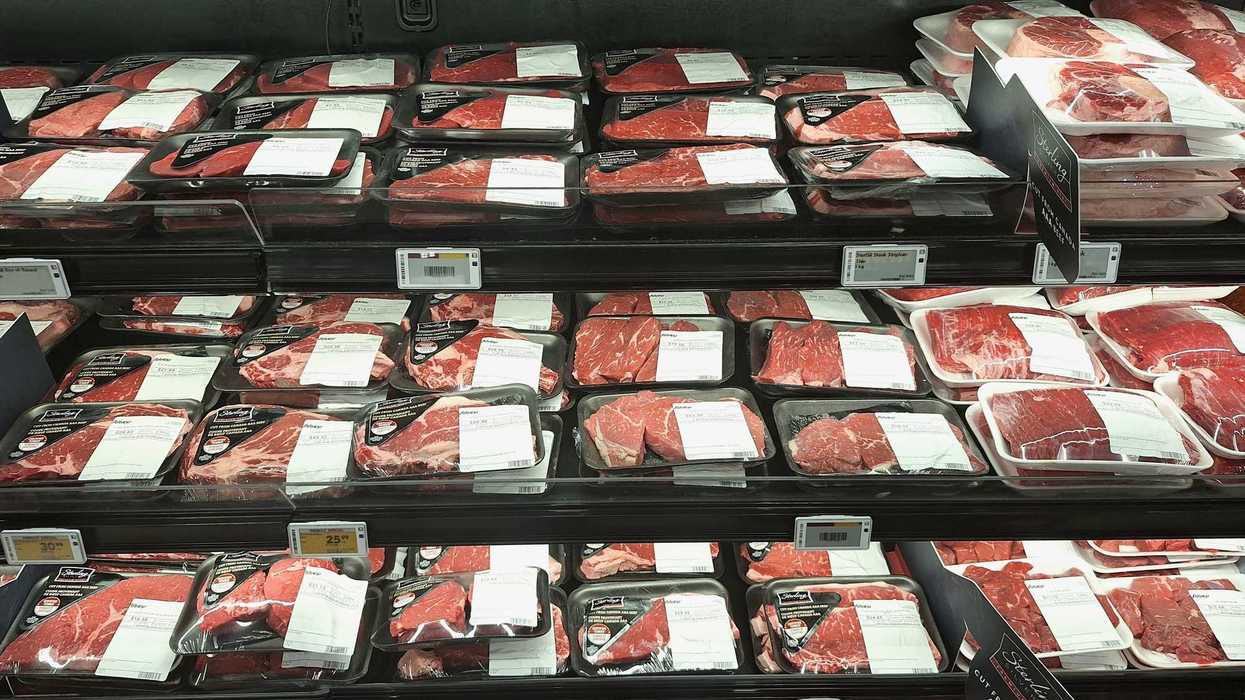
Beef products at a grocery store in Canada.
The beef class action lawsuits in Canada have reached close to $8 million in settlements.
You could be a class member and eligible for compensation if you bought beef.
There were two class actions filed in B.C. and Quebec back in 2022. The lawsuits alleged that companies selling beef were involved in an "unlawful conspiracy" of the supply and/or price of beef in Canada.
Recently, in 2026, proposed national settlements were reached with JBS USA Company, Swift Beef Company, JBS Packerland Inc. and JBS Canada, along with National Beef Packing Company.
National Beef agreed to pay $495,000, and JBS has agreed to pay $7,498,700, which adds up to a total value of $7,993,700 in the Canadian beef class actions.
If the settlements are approved in court, eligible Canadians will be able to submit a claim for compensation.
The potential payment amounts for approved claims haven't been announced yet.
Even though the price-fixing lawsuits started in B.C. and Quebec, Canadian residents in all provinces and territories are included in these class actions.
Class members of the B.C. lawsuit are all persons in Canada, excluding Quebec, who purchased beef, excluding beef products and beef purchased from the food service industry, for resale or personal use between January 1, 2015 and the date the class action settlement approval is certified.
Class members for the Quebec lawsuit are all persons who purchased beef in Quebec between January 1, 2015 and the date of the settlement approval certification in B.C.
For these class action lawsuits, "beef" refers to the raw portion of cattle intended for human consumption but excludes anything purchased from the food service industry.
Also, "beef products" means products not purchased from the food service industry that contain beef as one ingredient among others, except when all non-beef ingredients have been introduced through mechanical blade/needle tenderizing, brine injection, massaging, aging, chemical/enzyme tenderizing, vacuum tumbling, marination and/or seasoning.
The settlement approval hearings are scheduled for September 10, 2026, in B.C. and December 1, 2026, in Quebec.
This article's cover image was used for illustrative purposes only.