Canada just made a major change to citizenship rules and more people can now apply
You might already be a Canadian citizen without knowing it! 🇨🇦 👀
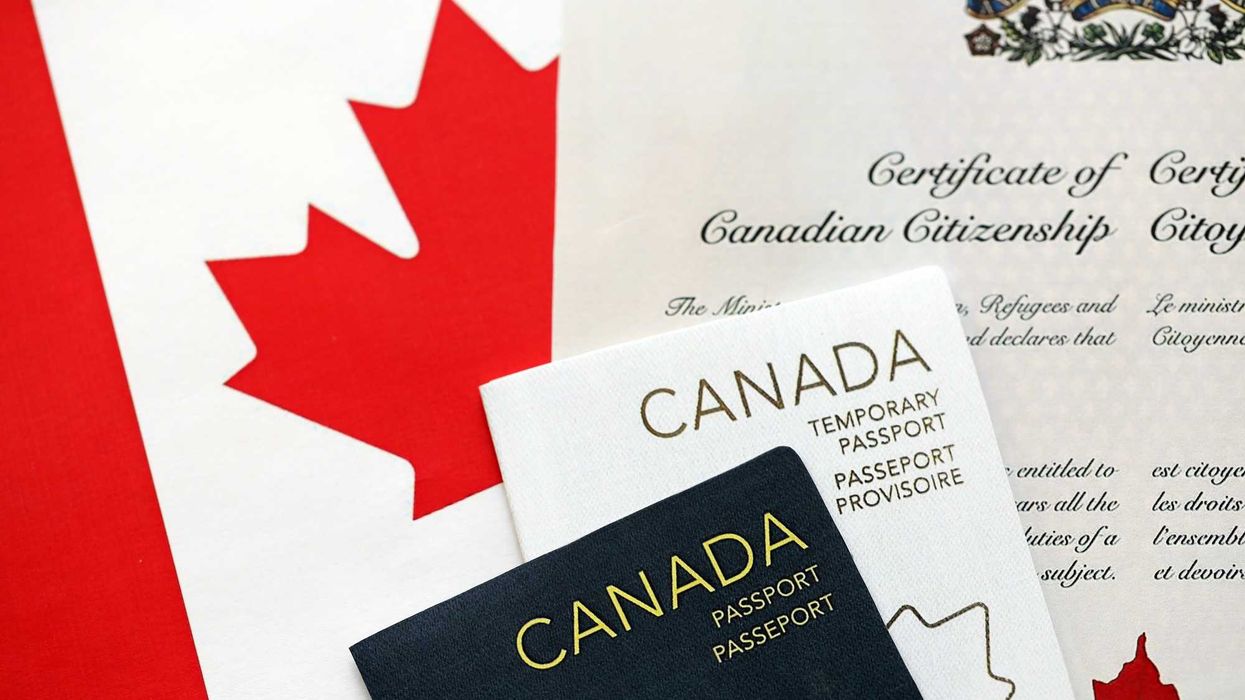
Bill C-3 came into effect on Monday, expanding Canadian citizenship-by-descent rules effective immediately.
A major update to Canadian citizenship law just kicked in, and it could open the door for tens of thousands of people to claim Canadian citizenship, starting today.
As of Monday, Bill C-3 is officially in effect, expanding who can get citizenship by descent and how it works going forward.
The bill was first introduced in June and received royal assent last month, officially becoming law just in time to take effect before the end of the year.
If you're part of a Canadian family with roots abroad, this could be a game changer.
So what does this all mean, and who actually qualifies now? Here's what you need to know.
What is citizenship by descent?
Citizenship by descent is a method of obtaining Canadian citizenship based on your family history. Under citizenship by descent rules, you can be a Canadian citizen even if you weren't born in Canada — as long as your parent is (or was) Canadian.
But until now, Canada had a pretty strict "first-generation limit" in place.
Basically, if your Canadian parent was also born or adopted abroad, they couldn't pass on citizenship to you automatically. This rule has been in place since 2009 and has left many folks with ties to the country stuck in a weird grey area.
That's where Bill C-3 comes in.
What changed?
Effective December 15, the first-generation limit is officially loosened — for good.
According to Immigration, Refugees and Citizenship Canada (IRCC), anyone who would've been Canadian if not for the first-generation rule (or other outdated laws) can now apply for proof of citizenship.
In fact, if that's you, you're likely already considered a citizen under the new law — you just need the paperwork to prove it.
It's a big win for people who've gotten left out — especially "Lost Canadians," a term used for folks with ties to Canada who either lost citizenship or never got it due to outdated rules in the past.
IRCC says that changes to the Citizenship Act in 2009 and 2015 helped around 20,000 people regain or claim citizenship, but many more were still stuck. Bill C-3 finally closes that gap.
Based on past trends and recent interest, IRCC expects "tens of thousands of people" will eventually claim citizenship under the new law, a spokesperson told Narcity.
Going forward, Canadian parents who were born or adopted outside the country can now pass on citizenship to their kids born or adopted abroad too.
But there's a catch: You'll need to show that you've spent at least three years living in Canada at some point before your child was born or adopted.
IRCC says this rule balances fairness with the idea that citizenship should be tied to "real, demonstrated ties to Canada." It's a more flexible approach, but one that still asks people to show a meaningful connection to the country.
What sparked this change in the first place?
The change stems from a 2023 Ontario court decision that called the first-generation limit unconstitutional. Rather than appealing the ruling, the feds got to work on fixing the law.
An interim policy was put in place last year to help families caught in legal limbo, and now that Bill C-3 has passed, IRCC says it will process those applications under the new rules. If you've already applied, you don't need to do anything new — they'll use the info you've already submitted.
Immigration Minister Lena Metlege Diab says the new law reflects the way Canadian families actually live today.
"Many Canadians choose to study abroad, travel to experience another culture, or relocate for family or personal reasons and still have a meaningful connection to our country," Diab said in a news release.
"This new legislation strengthens the bond between Canadians at home and around the world."
How to check if you qualify
If you think these changes might affect you or your family, the next step is to apply for a citizenship certificate to prove your status. You'll find the forms and info on the IRCC website.
This new pathway could mean a lot for people who've always felt Canadian but didn't have the official paperwork to prove it. For new parents abroad, it also offers a clear way to make sure their kids are officially part of the Canadian family too.
Even if you're not personally affected, it's a huge shift in how Canada defines citizenship — and it could mean a lot more people around the world can now call themselves Canadian.
Do you think the new citizenship by descent rules are fair?
READ NEXT: The CRA is making it easier for newcomers to Canada to apply for benefit payments
AI tools may have been used to support the creation or distribution of this content; however, it has been carefully edited and fact-checked by a member of Narcity's Editorial team. For more information on our use of AI, please visit our Editorial Standards page.
- I'm an Irishman in Toronto — Here are 7 things I actually love about Canadian winters ›
- The CRA is making it easier for newcomers to Canada to apply for benefit payments ›
- Canada is about to further restrict immigration eligibility — Here's what you need to know ›
- Canada is ramping up immigration for foreign military members amid a CAF staffing shortage - Narcity ›