Health of women with diabetes may deteriorate after menopause: study
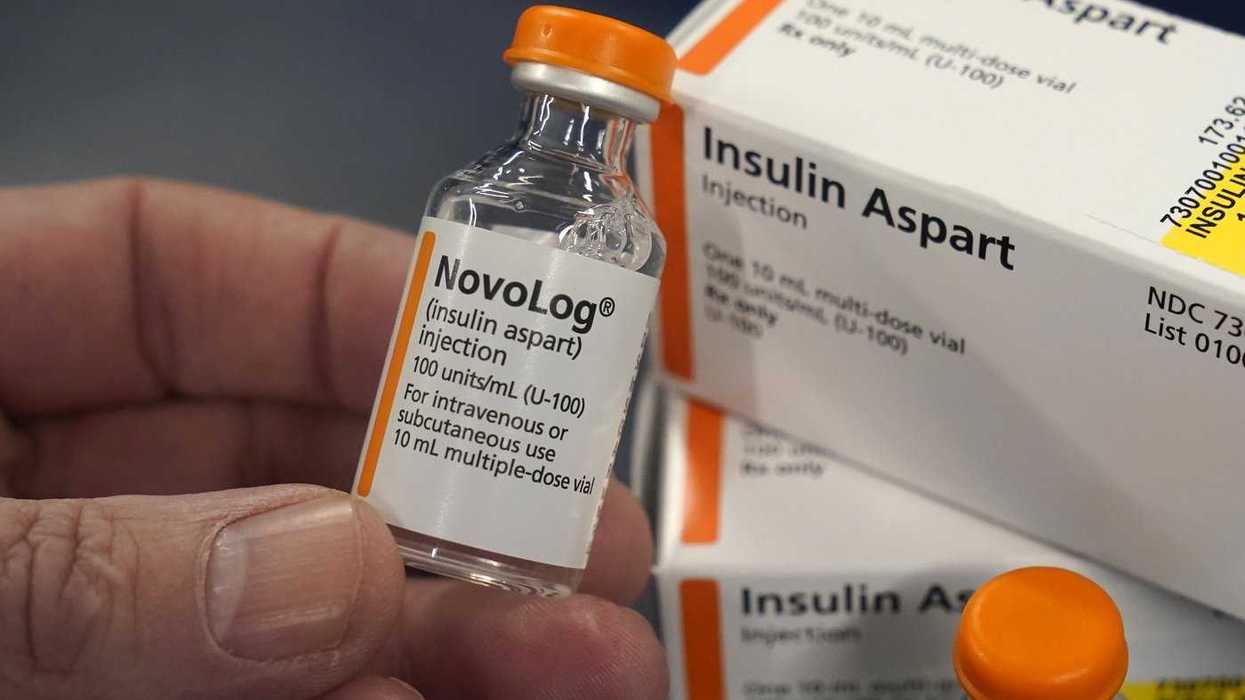
Women with Type 1 diabetes appear to be at greater risk of physical and psychosocial health problems after menopause and require an updated treatment plan, according to a new study.
Published in September by Diabetes Research and Clinical Practices, the research found that post-menopausal women had a higher risk of retinopathy, cardiovascular disease, neuropathy, falls, and moderate-to-severe depressive symptoms.
They were also less likely to have been prescribed antihypertensive and lipid-lowering medications.
Jane Yardley of the Montreal Clinical Research Institute was one of the co-authors of the study.
“What we found (ultimately) was that there were several things that were worse for women after menopause than before menopause,” Yardley said.
The research was based on a review of the medical records of 211 women aged 40 to 60, including 90 post-menopausal women and 121 premenopausal women.
The team focused on clinical complications of Type 1 diabetes, such as retinopathy, neuropathy, cardiovascular disease, and falls. They also looked at diabetes management, such as insulin doses, hypoglycemia, and medication adherence; and psychosocial issues, such as depressive symptoms and fear of hypoglycemia.
The researchers found that post-menopausal women had more physical and mental health problems than premenopausal women. Yardley said doctors should reassess the care provided to diabetics after menopause to ensure it remains optimal.
In their report, the researchers also highlighted the importance of conducting further studies into these associations.
Evolutions in health care have led patients with Type 1 diabetes to live longer and healthier lives, said Yardley, “so we’re starting to see problems emerge that we hadn’t noticed before.”
“We have some very interesting (Canadian) data showing that muscle mass, muscle strength, and muscle quality decline more rapidly after menopause in women with Type 1 diabetes,” said Yardley.
She added that it's "not surprising" that the risk of falls was higher among post-menopausal women. She explained that muscle quality and bone density decline more rapidly in women with Type 1 diabetes, and there's an inflection point after menopause.
“Some of these risks have been underestimated for a long time, and it’s possible that we haven’t paid enough attention to certain potential risks,” said Yardley.
“Those related to mental health, in particular, seem really important to me, because these are risks that aren’t physically measurable. It takes a little more time to analyze them in depth.”
According to the researcher, the new findings also serve as a reminder of how women's health has long been overlooked in medical research.
Type 1 diabetes is a good example, said Yardley.
“We now have solid data showing that the menstrual cycle in women with Type 1 diabetes alters insulin requirements during the different phases of the cycle,” she said. “For example, especially in the three to seven days before their period, women need more insulin to maintain the same blood glucose level.”
The researcher notes that women were often excluded from studies precisely because their hormones complicated the research, and it was assumed that findings from men applied to them as well, which is not the case.
This report by The Canadian Press was first published Oct. 1, 2026.
By Jean-Benoit Legault | Copyright 2026, The Canadian Press. All rights reserved.