Around 1,800 people have fled wildfires as Ontario weighs further evacuations: Ford
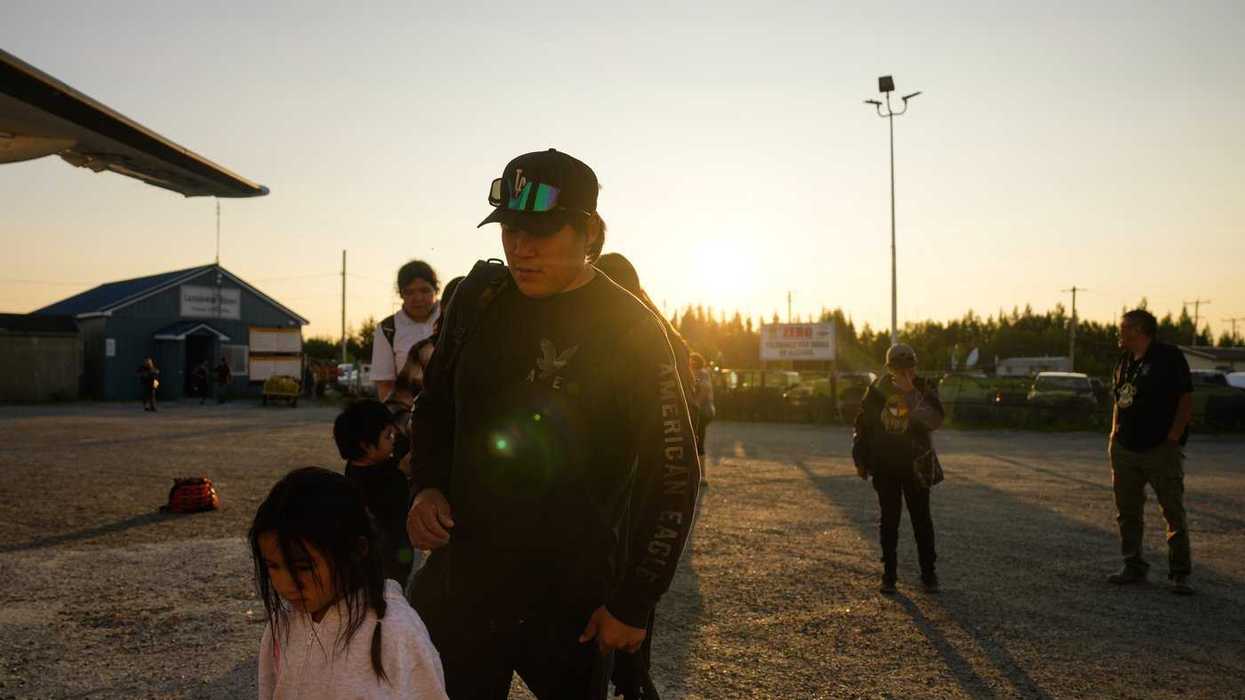
Around 1,800 people have fled their communities due to wildfires raging across northern Ontario, Premier Doug Ford said Monday, as officials consider further evacuations.
Fires have destroyed communities, prompted numerous evacuation orders and filled the skies across Ontario and beyond with noxious smoke. Evacuees have fanned out to host cities across the province, including Thunder Bay, Toronto, Sudbury and Niagara Falls.
"Thirteen communities have been evacuated or are in the process of evacuating, with the decision still pending on one additional community," Ford said.
At least 500 people were sheltering in Thunder Bay over the weekend, which city officials described as a conservative estimate. The fire chief said most evacuees were hosted by First Nation organizations or found available hotel space themselves.
Inside a Thunder Bay arena turned provincial reception centres, the cots remained untouched on Monday morning. The province announced its opening on Saturday, days after the first residents began to flee.
Recent rain helped to temper fire activity over the weekend, but officials warned the hazard remained high as another First Nation reported widespread destruction.
Chief Pauline Drake of Whitewater Lake First Nation said Sunday that a wildfire had destroyed much of the remote community about 250 kilometres north of Thunder Bay.
Last week, Namaygoosisagagun First Nation — also known as Collins First Nation — was destroyed by a fast-moving fire. Dramatic photos and videos showed residents fleeing in boats as a huge wall of smoke and flames rose behind them.
A planned evacuation flight out of Neskantaga First Nation was cancelled Monday due to a mechanical issue with the plane.
While no provincial evacuation order has been issued for the community, the First Nation declared a state of emergency last week and began to charter flights for its residents.
Three flights were chartered to evacuate about 95 residents from the fly-in community to Thunder Bay on Saturday, the chief said. Monday's flight was expected to take 35 people.
The province has faced repeated criticism from First Nations over its handling of wildfire evacuations. Ford has said all available resources were being used to tame the blazes and help evacuees.
On Monday, Ontario's emergency preparedness minister appeared to clarify remarks she made over the weekend about the Alert Ready system. She said the national alert system was already available to communities after saying Sunday it had been expanded.
"It is just reminding municipalities and First Nation communities, this is another tool in the tool box that they can use," said Minister Jill Dunlop.
Meanwhile, air quality warnings remained in place from around Sault Ste. Marie to Thunder Bay due to wildfire smoke.
So far this season, fires have burned through roughly 7,350 square kilometres of Ontario forest, an area more than 10 times the size of Toronto.
Much of that burned last week, on the back of severe thunderstorms and a scorching heat wave around Thunder Bay where temperatures soared to around 15 degrees above seasonal.
Climate change, driven by the burning of fossil fuels, has made Canada's wildfire seasons longer and more intense.
This report by The Canadian Press was first published July 20, 2026
-with files from Sharif Hassan in Thunder Bay and Chris Young in Neskantaga First Nation
By Jordan Omstead | Copyright 2026, The Canadian Press. All rights reserved.