Indigenous peoples have to remain vigilant on energy, says former First Nations chief
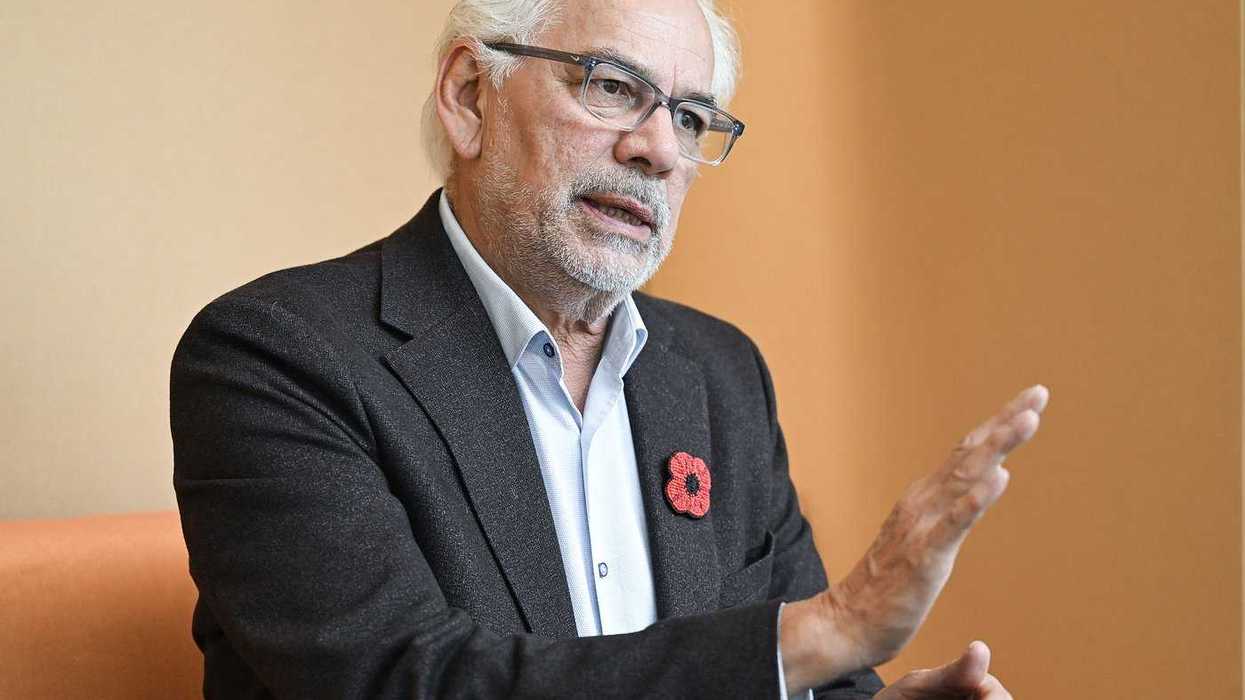
The former chief of the Assembly of First Nations for Quebec and Labrador said he believes the energy industry is heading in the right direction in terms of reconciliation.
But Ghislain Picard added Indigenous nations have to make sure their rights are respected amid recent pushes for development by the federal government.
“There is good momentum, but at the same time, First Nations have no choice but to remain vigilant,” he told The Canadian Press on Thursday at an energy conference in Montreal.
The former chief, who is from the Innu community of Pessamit, praised an effort by Hydro-Québec in recent years to include First Nations and Inuit in energy development projects, citing the utility’s 2035 action plan, which lists creating partnerships with Indigenous communities as a priority.
He also encouraged stakeholders to continue developing this kind of collaboration, noting how Hydro One in Ontario offers Indigenous communities ownership stakes in some new projects.
But recent shifts in leadership, including the elections of Mark Carney, are calling future collaboration into question, added Picard, who now works as an adjunct professor at HEC Montréal. He said First Nations are concerned about proposed changes to Canada's environmental laws to fast-track major projects.
“It’s here that Indigenous people raise a red flag and say, ‘Not so fast,’” he told conference attendees.
Industry representatives at the conference highlighted the challenges companies face when navigating legislative guidelines that may slow down development.
Picard said First Nations aren't opposed to speeding up approvals, but not if it interferes with the Crown's duty to consult Indigenous communities.
He said he hopes this week’s Democratic win in the American midterms will ease the political pressure on communities to rush to get behind new energy projects.
“We understand that the skies have turned blue again along the border with our neighbours," Picard said. "Will this help to shift the geopolitics?”
This report by The Canadian Press was first published Nov. 5, 2026.
By Marieke Glorieux-Stryckman | Copyright 2026, The Canadian Press. All rights reserved.