
At a certain point in life, your credit score becomes really important. From renting a place to getting a loan, the range of things this three-digit number can impact is pretty spooky.
But not as spooky, perhaps, as not having one when you need it. This is what a "credit ghost" is, someone with little to no credit history or who doesn’t know their credit score, and they're everywhere this Halloween. You might even be one.
New research commissioned by RBC revealed that more than one in five (21%) Canadians aged 18-24 either don't have a credit score or don't know what it is. The majority of respondents (78%) said they did have a credit score, but even among them, 37% couldn't say what their credit score is.
In fact, 42% of students say they’ve already faced a real-world consequence of having little or no credit history, including:
- 13% needed someone to co-sign or act as a guarantor
- 11% had difficulty getting approved for a credit card
- 8% had difficulty getting a loan
- 6% had difficulty renting an apartment
The good news is that building your credit doesn't have to be complicated. In most cases, it comes down to a few simple steps, responsible habits and time.
What is a credit score and how do you get one?
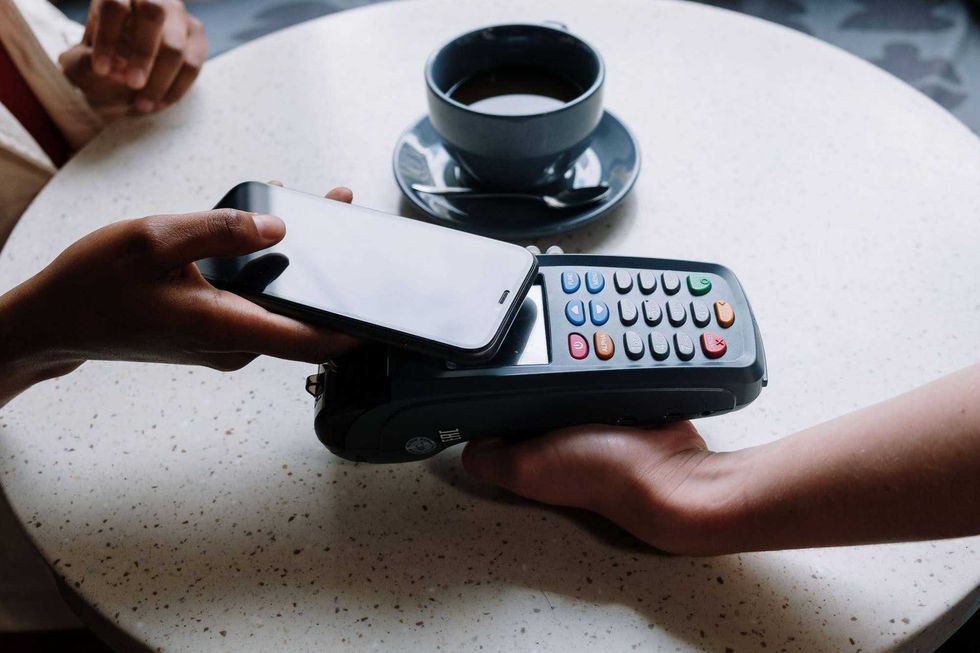 How you use your credit card can impact your credit score. cottonbro studio | Pexels
A credit score is a three-digit number that gives lenders an idea of how reliable a borrower you are, which lenders may use as one factor when assessing your creditworthiness.
Credit scores are usually between 300 and 900, with a higher number indicating that you're likely to pay on time and manage your credit responsibly, and a lower number suggesting you might be less reliable.
If you're a credit ghost with no credit history, you may not even have a score yet. This isn't the same as having a lower credit score, but it can have the same real-life impact. For example, a landlord may prefer to lease to someone with a modest score over someone without one at all.
So, how does your credit history actually start? In Canada, Equifax and TransUnion collect information about how you use and repay credit, based on information reported by lenders and some other companies, like certain phone or utility providers. Once there's enough information on your credit report, you're assigned a credit score.
How do I check my credit score in Canada?
 You can check your credit score for free online. Liza Summer | Pexels
You can look up Equifax and TransUnion online separately to find your report, but your bank or credit union may also have access to it in your banking app. If you're an RBC Online Banking client, for example, you can see your score for free in the CreditView Dashboard and track how it changes over time.
Finding your credit score is the first step to no longer being a credit ghost. When you know where you stand, you can take your next steps to grow your credit score before you need it.
How do I start building credit?
 Keeping up with your payments is a big part of building credit. Mikhail Nilov | Pexels
To build credit, you need to use financial products or services that report your payment history, such as a credit card, loan or even certain utility accounts. Making your payments on time helps demonstrate that you can reliably manage your financial commitments and build your credit history.
Small, consistent habits can help build your credit history over time, like making payments on time, keeping your balances manageable and using credit responsibly.
If you're an RBC client, you can use NOMI Budgets to learn about your spending and make smart choices that help your credit grow. They also have credit cards for students that are specially set up to help you grow your credit.
Not every credit check is created equal. Checking your own credit score won't hurt it; that's considered a soft inquiry. But when you apply for something like a credit card, loan or certain phone plans, the lender or provider may make a hard inquiry to review your credit. That can cause a small dip in your score, but it's usually temporary.
Other factors will come into play later, such as how long you've had your credit accounts and the mix of credit you have (loans vs. credit cards vs. mortgages).
Don't be spooked by common credit myths
 You don't have to keep ghosting your credit. Ericka Sánchez | Pexels
Growing credit can seem overwhelming, and there's so much information out there, but don't believe everything you hear.
For example, according to RBC, five per cent of students believe carrying a credit card balance month to month helps your score. It's time to put that one to rest. Trust that paying off your credit card in full is a good thing.
If you want to do some of your own myth-busting, check out RBC's Credit Score Simulator and see for yourself what really moves the needle.
If you're a student in Canada and you're getting your life set up, you're going to run into situations that require knowing what's happening with your credit.
Thankfully, there are simple steps and useful tools like RBC's Guide to Building Credit that'll help get you there. With some good habits, the right support and a little patience, you'll be well on your way.
To learn more about giving up your credit ghost ways, visit RBC's website.
This content is for general informational purposes only and does not constitute financial, investment, legal, tax or accounting advice.