Cases of Lyme disease in Montreal highest in more than 20 years
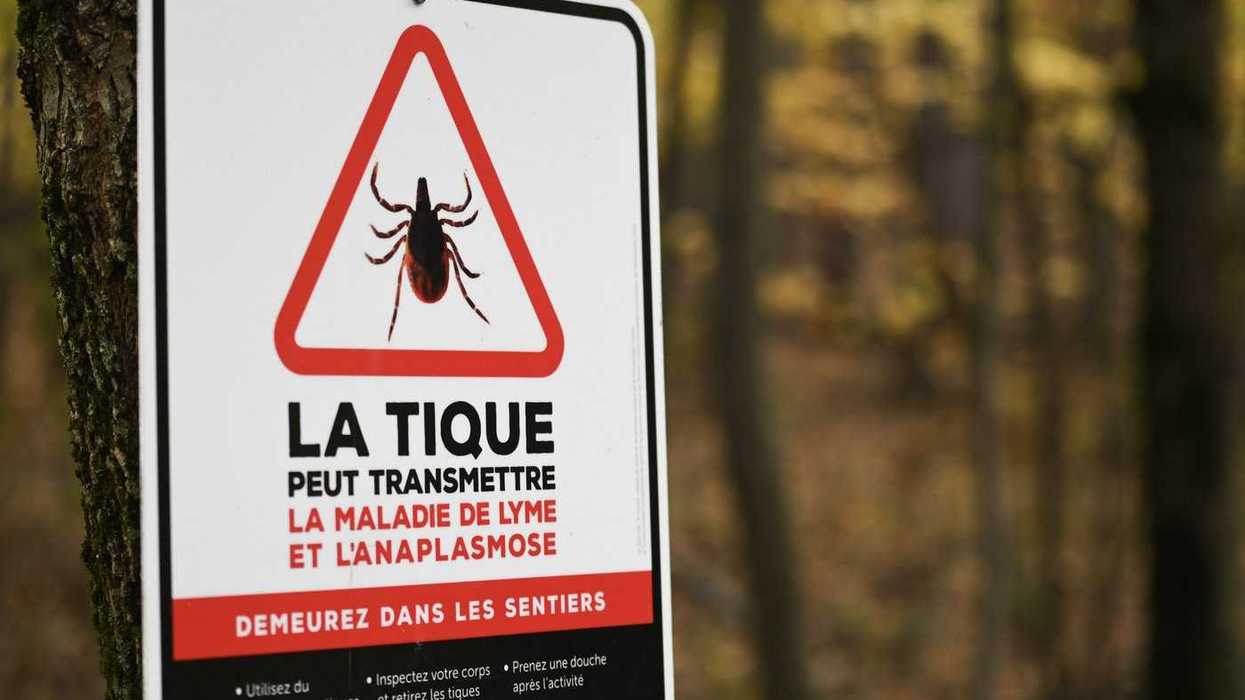
Montreal public health is warning of an uptick in Lyme disease in the city after officials recorded 161 cases in 2025.
That's the highest number of cases since 2003, when Lyme infections because a notifiable disease in Quebec.
The tick-born disease is on the rise across the province, with 869 cases reported between Jan. 1 and Nov. 5, 2025.
The Quebec government says the rise in tick-related infections could be explained by climate change, as warmer weather would allow ticks to survive more easily.
Of the 161 cases reported in Montreal, the public health agency estimates that 38 per cent were contracted within the city.
Health officials say people who enjoy outdoor leisure activities should be careful in endemic areas.
Since 2024, the entire Island of Montreal has been considered at risk of tick exposure.
“We’re not saying you should stay at home,” said Dr. Nicolas Sheppard-Jones, medical director of the infectious diseases emergency response unit at the Montreal regional public health department. “We encourage the outdoors and outdoor activities. However, our habits have changed. Ten to 15 years ago, we didn’t face this same risk in Montreal. Now, that risk is present.”
The infectious diseases specialist says someone must come into contact with vegetation where ticks are found — tall grass, gardens, forests and woodlands — for them to latch onto skin. Wearing long clothing and using insect repellent during outdoor activities can help prevent bites.
Dr. Sheppard-Jones recommends carrying out thorough body checks after a hike or other outdoor activities. If a tick is found, it can be removed at home or by a medical professional.
Early symptoms of Lyme disease include a circular rash around the bite mark. Symptoms can appear between three and 30 days after exposure.
While a course of antibiotics typically clears up the infection, there can be risk of complications — including impacts on the heart and nervous system — if the case is diagnosed at a more advanced stage.
This report by The Canadian Press was first published May 21, 2026.
—
The Canadian Press’s health coverage is supported by a partnership with the Canadian Medical Association. The Canadian Press is solely responsible for the journalistic content.
By Katrine Desautels | Copyright 2026, The Canadian Press. All rights reserved.