National chief calls on Ottawa to include human right to clean water in new bill
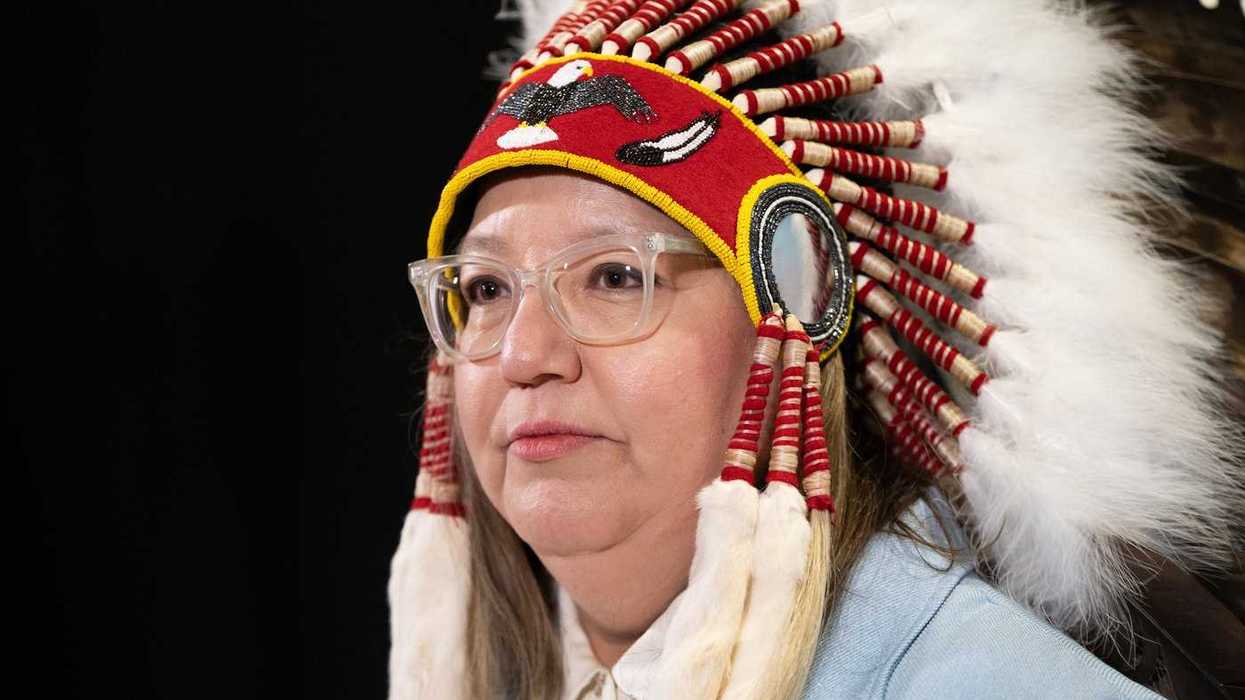
The national chief of the Assembly of First Nations is calling on the federal government to amend its new First Nations water bill to establish a human right to clean drinking water.
Appearing before a House of Commons committee Tuesday, Cindy Woodhouse Nepinak told MPs that Bill C-37 contains some important provisions but fails to deliver the health, legal and environmental protections that First Nations require and the courts have ordered.
She also raised concerns about the pace at which the bill is being studied in committee and urged MPs to look to a previous version of the legislation she said included more safeguards for First Nations.
"We are concerned about a pattern of shutting down discussions without hearing from First Nations. This approach will not speed up legislation and it's going to lead to conflict and court cases," Woodhouse Nepinak said.
"I want to encourage you to travel and to visit First Nations to see for yourselves what you are denying to another generation of children who cannot fill a cup to drink, brush their teeth or bathe (because of) a lack of clean water."
This isn't the first time the federal Liberals have put forward clean water legislation — but it is the first attempt by Prime Minister Mark Carney's government to tackle the issue.
C-37 states that the federal government will "further the progressive realization, for individuals on First Nation lands, of the human right to safe drinking water, as protected by the International Covenant on Economic, Social and Cultural Rights."
The previous bill introduced by the Trudeau Liberals, C-61, affirmed the "human right of every individual on First Nations land to have access to clean and safe drinking water in accordance with this Act."
The previous version failed to pass before Parliament was dissolved for the 2025 election. Woodhouse Nepinak chided MPs on Tuesday for not getting it over the finish line.
"Progressive realization" is a legal term used by the United Nations that, in the context of the legislation, means the federal government will work toward the realization of that right.
Woodhouse Nepinak said that's a weak provision and she fears the government will use it to justify further delays in providing clean drinking water to communities.
Lawyer Michael Rosenberg, whose successful efforts to sue the federal government on behalf of some 260 First Nations led to the new water bill, told The Canadian Press the changes to the bill's wording on human rights amount to "legal gymnastics."
"This bill, as it is written, is not acceptable," Woodhouse Nepinak said.
The new bill is backed by $4.6 billion in funding over five years, which the federal government describes as the single largest commitment ever made to First Nations water protection.
Indigenous Services Minister Mandy Gull-Masty has said the new legislation was written to "stand the test of time" and insists it does not weaken the protections in the previous bill.
She promised before the bill was introduced it would affirm First Nations' human right to clean drinking water.
Indigenous Services data shows there are 39 active long-term drinking water advisories in place across First Nations, most of them in Ontario. Neskantaga First Nation, located in northern Ontario, has been under a boil-water advisory for nearly 32 years.
"The government has been pledging to address First Nations boil water advisories for decades, and the problems persist," Woodhouse Nepinak said.
The AFN's lawyer, Julie McGregor, said First Nations are right to be skeptical about the changes to the legislation as the federal government works to accelerate resource development projects.
Two provincial environment ministers sent a letter to their federal counterpart last year calling on Carney's government to abandon the water legislation, saying it could undermine competitiveness and delay project development.
The new legislation would give First Nations the power to protect sourcewater on reserves but not in their traditional territories, leading to concerns about ramped-up resource development projects harming drinking water sources.
"If there is a fear, it's one based in reality," McGregor said.
Woodhouse Nepinak pointed to the federal government's proposed legislation C-39, a sweeping bill that would change how major projects are approved, reduce time allocated for consultations and designate pre-approved development zones. Some First Nations worry there will not be enough time to study the environmental effects of proposed projects.
"These bills do not give us confidence that First Nations will be able to protect their waters from contamination or irreversible ecological damage caused by activities impacting our watersheds," Woodhouse Nepinak said.
"C-37 has some good measures, but requires amendments specifically regarding sourcewater protection to mitigate the harm that will be imposed by Bill C-39."
This report by The Canadian Press was first published Nov. 24, 2026.
By Alessia Passafiume | Copyright 2026, The Canadian Press. All rights reserved.