Main defendant in Galloway defamation case wants her identity kept a secret
The lawyer for the main defendant in the trial alleging former professor Steven Galloway was defamed by false accusations of sex assault has asked that her identity remain confidential over concerns an "online mob" would be unleashed against her.
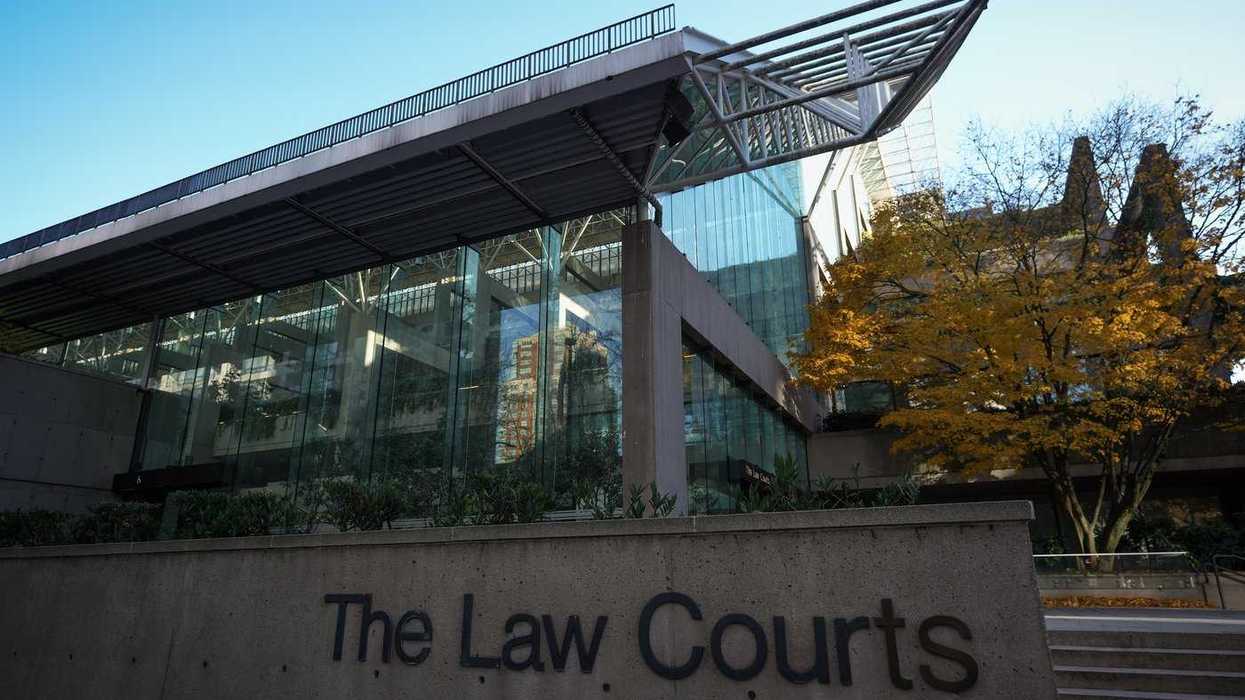
Submissions began on Monday in B.C. Supreme Court in Vancouver, with Arden Beddoes, representing the woman known as A.B., saying his client has already received hateful comments after being named in Galloway's lawsuit.
Beddoes told the court that she has attempted suicide and while news stories published about the case don't identify the woman, people have named her in the comment sections under the articles.
Galloway was a tenured professor and the chair of the creative writing program at the University of British Columbia when rumours swirled and spread online that he had sexually assaulted the woman, who was one of his students.
He was never charged but was fired, though a report that was later produced for the university by former judge Mary Ellen Boyd concluded the accusations against Galloway were unsubstantiated.
In the months after the information came out, dozens of high-profile representatives in Canada’s literary community, including Margaret Atwood and Yann Martel, signed a letter that raised concerns about the university’s process to investigate Galloway’s actions, calling them secretive and unfair.
The defamation trial was originally scheduled for 60 days, but B.C. Supreme Court Justice Neena Sharma says it will likely take 20 days.
Beddoes told the court that being identified as the main complainant in the case has caused his client harm, and he read an email to the court that she received as an example of the hateful comments made about her.
Beddoes told Sharma that victims of sexual assault face barriers to reporting and asked that the woman’s name remain under a publication ban indefinitely.
The sexual assault accusations were made against Galloway in late 2015, and since then, his accusers have fought the defamation case all the way to the Supreme Court of Canada, claiming their accusations were protected speech.
The high court refused to hear the case, after a lower court said that if the defendants' arguments held, "there would be no legal consequences of any kind" to publicly calling someone a rapist.
Nine of the people who accused Galloway or repeated accusations against him online have apologized, all of which have been posted on the website gallowayapologies.com.
Chelsea Rooney, one of the defendants in the case, issued a lengthy apology to Galloway over the weekend, saying she was genuinely sorry for the part she played in causing harm to him.
Rooney said in her statement that because she didn't know if the allegations were true, she should not have communicated them, and she has come to better understand his position and commitment to clear his reputation.
"I should not have listened only to one side, or allowed that one-sided understanding to shape my communications, my tweets or my participation in the process," her statement said, much of which was published in the National Post newspaper on Saturday.
Sharma said Monday that the case has received more intense public scrutiny than most defamation cases, and both Beddoes and Galloway's lawyer Daniel Burnett agreed.
Glynnis Kirchmeier, a defendant in the case who is representing herself, told the judge that the court will hear evidence about "how UBC utterly failed to have any reporting mechanisms available" for the proper reporting of sexual assault and that A.B. did "as best she could in a context where it was impossible to do so in the right way."
This report by The Canadian Press was first published Oct. 5, 2026.
By Darryl Greer | Copyright 2026, The Canadian Press. All rights reserved.