Blind voter argues at Ontario tribunal that his accessible voting rights were denied
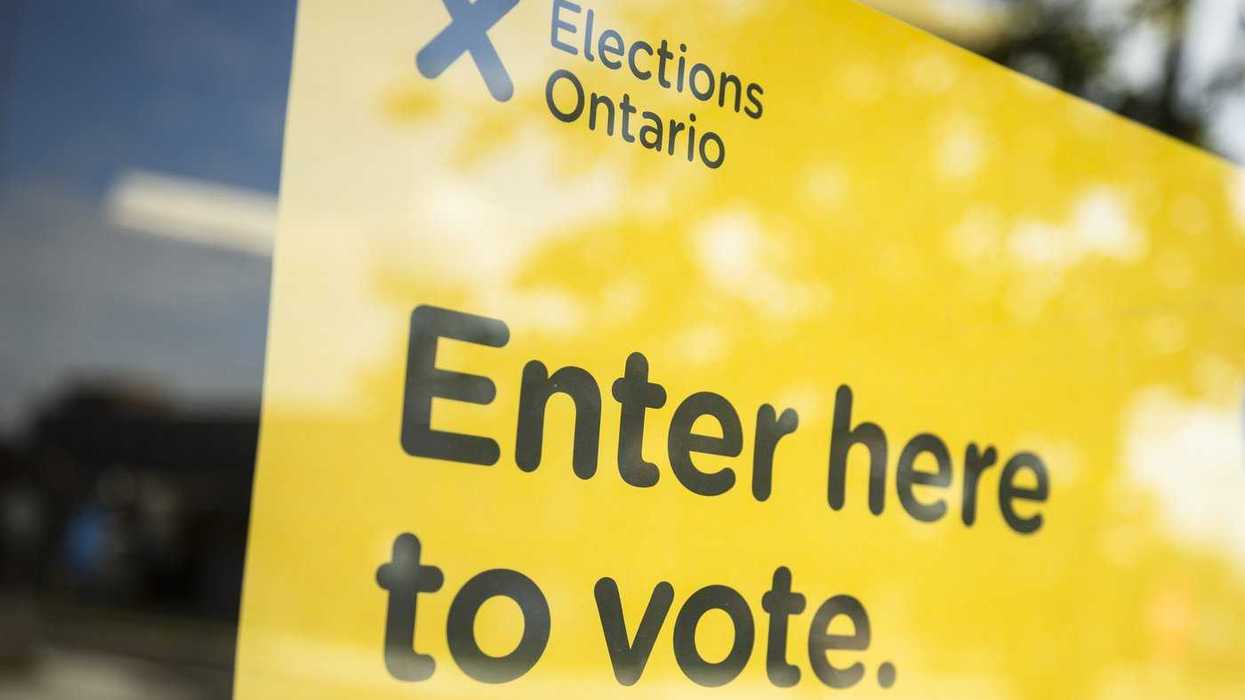
A blind voter told an Ontario Human Rights Tribunal hearing on Monday that Elections Ontario has failed to ensure he can mark and cast his ballot independently and privately.
Accessibility advocate David Lepofsky filed a human rights complaint more than seven years ago, following an incident during the 2018 Ontario election.
He said he tried to vote using Elections Ontario’s accessible voting machine but his ballot fell to the floor as it was coming out of the terminal and a poll worker told him that he inadvertently saw who he voted for. At the time, Lepofsky also said that a voting affirmation document was not available to him in braille.
Lepofsky argued Elections Ontario did not take sufficient action to ensure accessible voting, including before and after the incident, and that constitutes a continuing human rights violation.
During cross-examination Monday by lawyers for Elections Ontario, Lepofsky said he has advocated for the rights of blind people for decades and he wants to ensure accessible voting for them.
"As a blind voter, I am seeking an order that Elections Ontario be required to develop an action plan for achieving accessible voting for me and by implication, obviously, any blind voter who's in the same position as me," the retired lawyer, who chairs the Accessibility for Ontarians with Disabilities Act Alliance, told the hearing.
"I am seeking an official monitor to be appointed by the tribunal, on behalf of the tribunal, to facilitate and oversee that process."
Lepofsky argued that Elections Ontario violated his right to equal treatment under the Ontario Human Rights Code, with respect to services and facilities without discrimination because of his total blindness.
Elections Ontario says on its website that it's committed to preventing and removing barriers "so that persons with disabilities can fully participate in the electoral process."
It says assistive voting technology allows voters to listen to their ballot choices and cast their ballot "secretly and independently," and that options such as voting by mail or by home visit are also available.
The tribunal hearing is set to take place over several days this week, with Lepofsky and Elections Ontario expected to provide final submissions later this month.
This report by The Canadian Press was first published Oct. 5, 2026.
By Maan Alhmidi | Copyright 2026, The Canadian Press. All rights reserved.