Military avalanche control in Rogers Pass to end
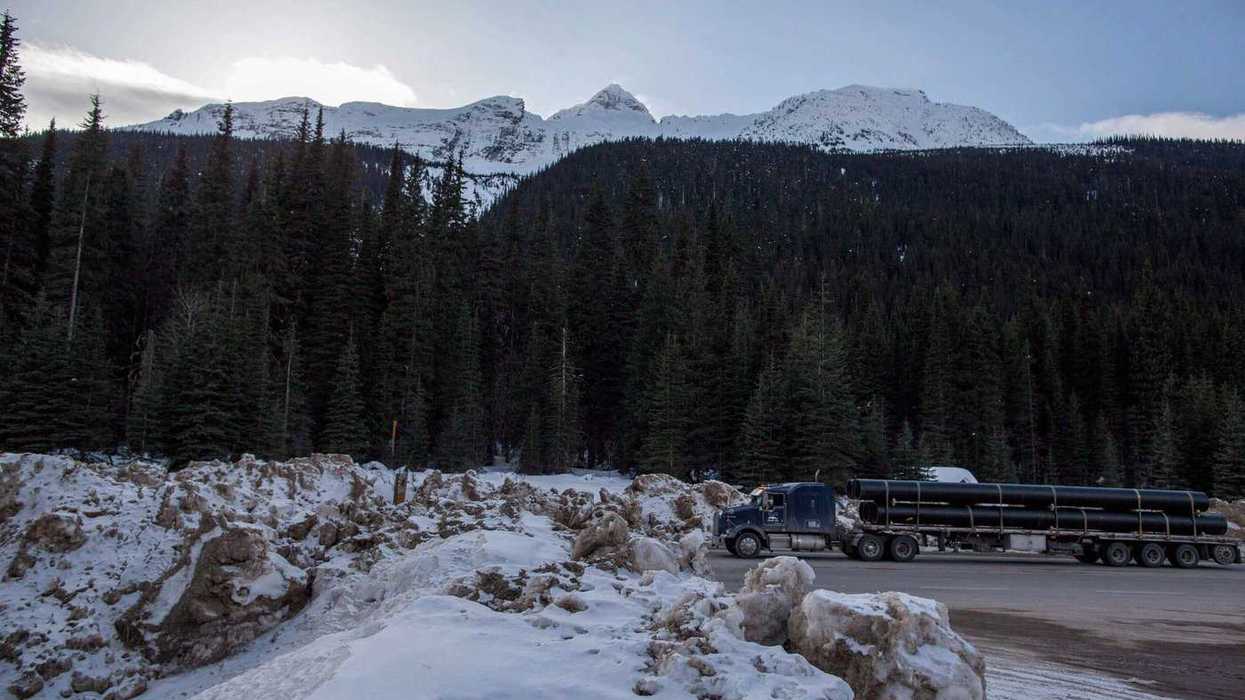
The military has decided to end its role in avalanche control along a major British Columbia transportation route that has seen it fire artillery shells to set off slides in Rogers Pass for more than 60 years.
The Department of National Defence says the current five-year agreement with Parks Canada will expire in August 2027, and it won't be renewed due to defence modernization policies and divestment of what it calls legacy artillery systems.
It's a policy change that B.C.'s Ministry of Transportation says it is "deeply concerned" about on the highway that carries about $65 million in commercial goods every day.
The ministry says in a statement that the withdrawal of the Armed Forces "support will significantly increase closure durations through Rogers Pass at a time when both federal and provincial governments are working to strengthen interprovincial and international trade."
The military operation involves gun crews who fire 105-millimetre howitzer field guns from positions along the Trans-Canada Highway to bring down the snow to prevent avalanches.
Parks Canada says it is actively discussing the issue with the Department of National Defence, and ensuring safety and the flow of vehicles and goods through the pass remains a top priority.
The Highway 1, Canadian Pacific Kansas City rail corridor, including Rogers Pass, is the main transport route between Vancouver and Calgary, with other routes requiring a significant detour to the north or south through the Rockies.
The Transportation Ministry statement says it has reached out to the federal government to outline its position and has requested that Armed Forces services be extended "until alternate mitigation measures are fully in place to ensure the safe and reliable movement of people and goods."
The issue has also drawn the attention of the federal Conservatives, who are urging the Liberal government to address how avalanche control will continue after the agreement ends.
"The economic importance of this corridor cannot be understated: over 4,000 vehicles and 40 trains pass through Rogers Pass every day, and every hour it's closed would cost the Canadian economy an estimated $3 million," say Opposition spokesman for emergency preparedness Dane Lloyd and Mel Arnold, the associate shadow fisheries critic.
The Department of National Defence says it intends to help Parks Canada plan the necessary transition while reducing pressures on the Armed Forces before the agreement expires.
This report by The Canadian Press was first published May 12, 2026.
Copyright 2026, The Canadian Press. All rights reserved.