If you've ever wandered through IKEA looking for a new bookcase, lamp or storage unit, you've probably found yourself trying to pronounce a Swedish product name or wondering what on earth it means.
From BILLY and KALLAX to POÄNG and KLIPPAN, those distinctive names have become almost as recognizable as the products themselves. And as IKEA celebrates 50 years in Canada, there's perhaps no better time to find out where they actually come from.
It turns out there's a whole system behind them — and it goes all the way back to IKEA's earliest days.
Narcity spoke with Tanya Bevington, Head of Communications at IKEA Canada, to learn how the tradition began, how names are chosen today and what some of the most memorable Swedish names actually mean.
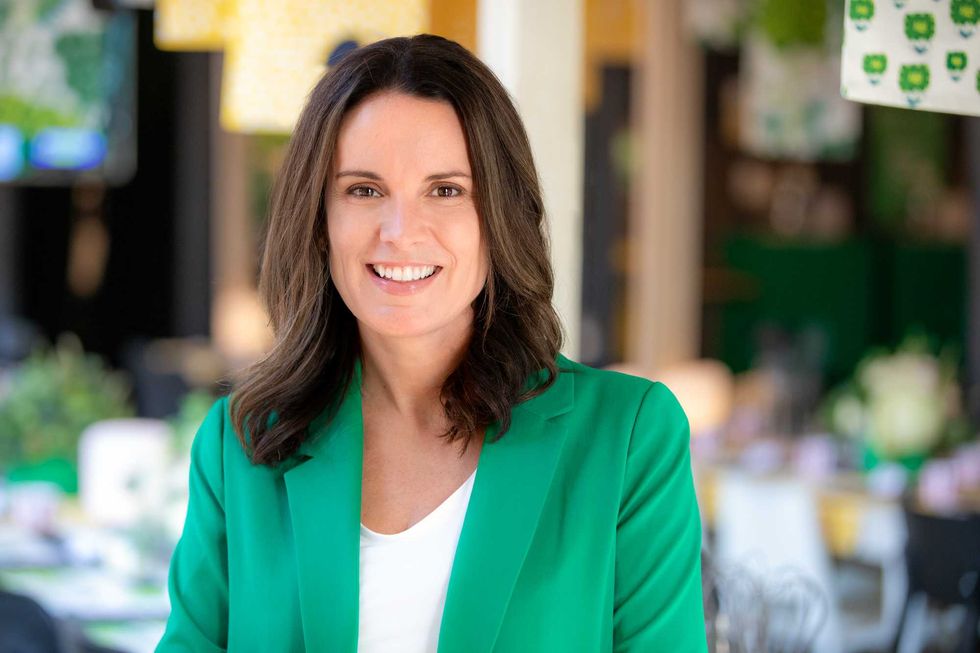 Tanya Bevington, Head of Communications at IKEA CanadaCourtesy of IKEA Canada
This interview has been condensed and edited for clarity.
"The story actually goes back to our founder, Ingvar Kamprad, who found product numbers hard to remember and thought names would be much more practical," Tanya said, adding: "He also believed that giving products names helped give them a personality and identity of their own."
And the quirky naming system is particularly well organized.
"There's actually quite a thoughtful system behind it all. Different product categories use names from different groups of words, places or themes. For example, textiles are given Scandinavian girls' names and children's products can be animals or descriptive words."
"So while a product name might look simple on a price tag, there's usually a mix of creativity, tradition and a lot of behind-the-scenes consideration that goes into choosing it," she said.
And that system has produced some names with meanings that make you look at them in a whole new way.

STORKLINTA, the name of an IKEA chest of drawers, means "a great dandelion," while TACKAN, a soap dispenser, means "female sheep." FJÄLLBO, used for a shelf unit, means "mountain dweller," and the MAMMUT children's furniture range gets its name from "mammoth."
Then there's GODISHUS, meaning "candy house," while BILLY — the name behind one of IKEA's best-known bookcases — is simply a boys' name.
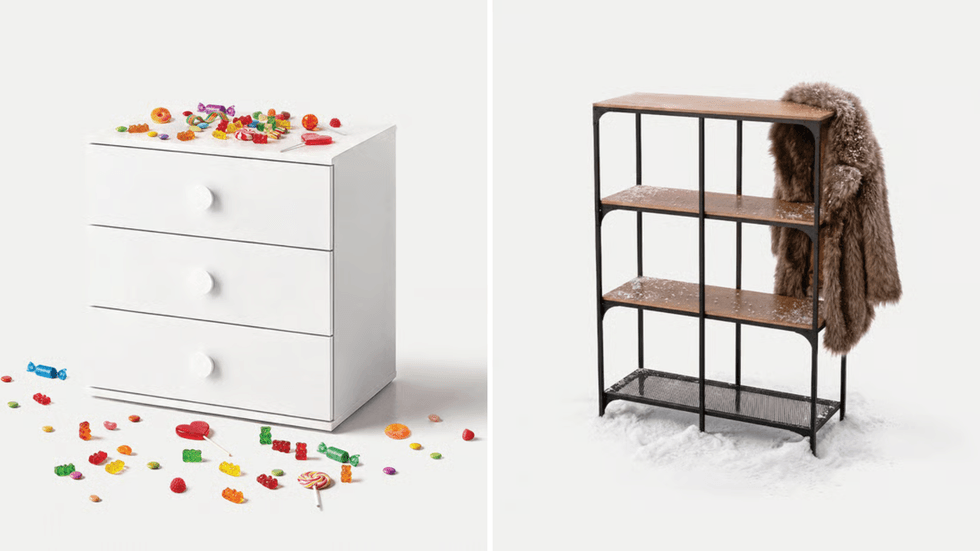 GODISHUS. Right: FJÄLLBOCourtesy of IKEA Canada
Some of the names are tied to Swedish geography. KLIPPAN, used for a sofa, means "the cliff/rock" and is also a town in Southern Sweden, while KALLAX, the name of the familiar shelving unit, is a town in Northern Sweden. And POÄNG, the IKEA armchair, means "point (in a game)."
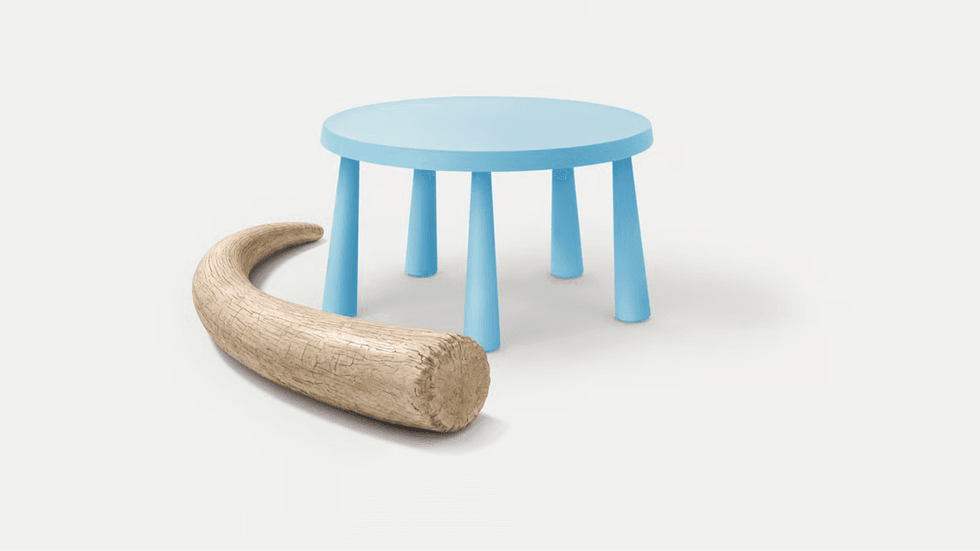 MAMMUTCourtesy of IKEA Canada
The Swedish influence, of course, goes well beyond furniture names.
While Tanya said most people would probably point to the meatballs or product names as the most Swedish thing about IKEA, for her, it's "values like simplicity, togetherness, humbleness and making everyday life better for the many people are at the heart of everything we do."
"You even hear it in our everyday language. Across IKEA, co-workers greet each other with hej (hello), gather for fika (coffee break), and use Swedish expressions that have become part of our shared vocabulary around the world like Tack (thank you) and Tillsammans (together)," she said.
"Those traditions keep us connected to our roots and make IKEA feel distinctly Swedish, no matter where you are."
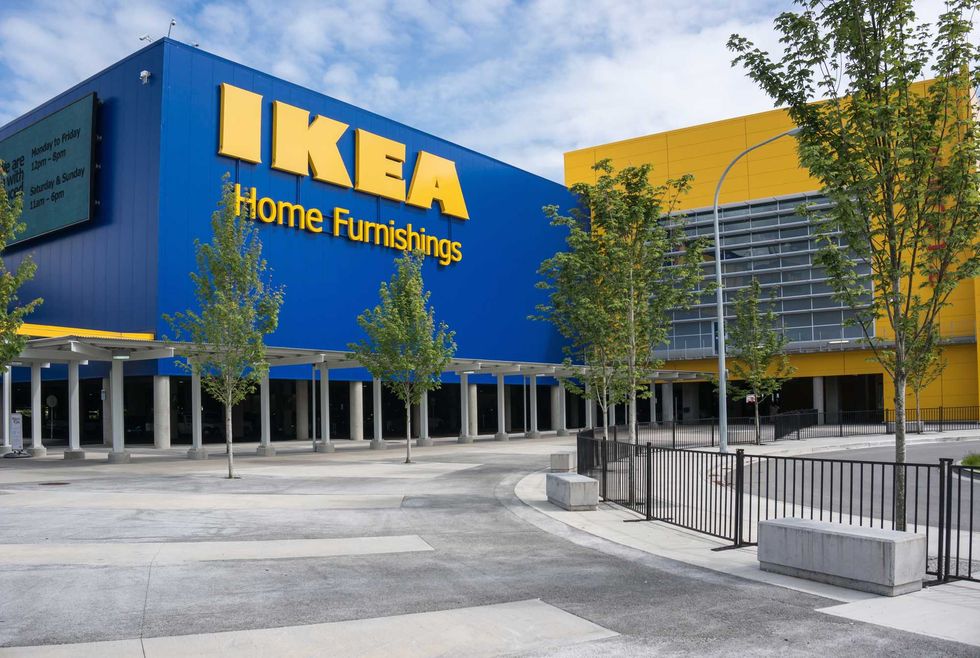 IKEA CanadaVolodymyr Kyrylyuk | Dreamstime
"On a personal level, one of the things I've always loved about IKEA is how many Canadians have an IKEA story. Whether it's a first apartment, a family move, a favourite piece of furniture, or even just a memorable trip to the store, IKEA has become part of so many everyday moments. That's what makes this anniversary feel so special."
Whether you're assembling a KALLAX, settling into a POÄNG or showing off your newfound Swedish vocabulary, IKEA has become a familiar part of life at home in Canada. After 50 years of first apartments, family moves and everything in between, there's a good chance it's found its way into your story too.
To learn more about IKEA Canada, visit the website or follow them on Instagram and Facebook.