Canada-U.S. trade tensions continue to escalate as Trump team defends tariffs
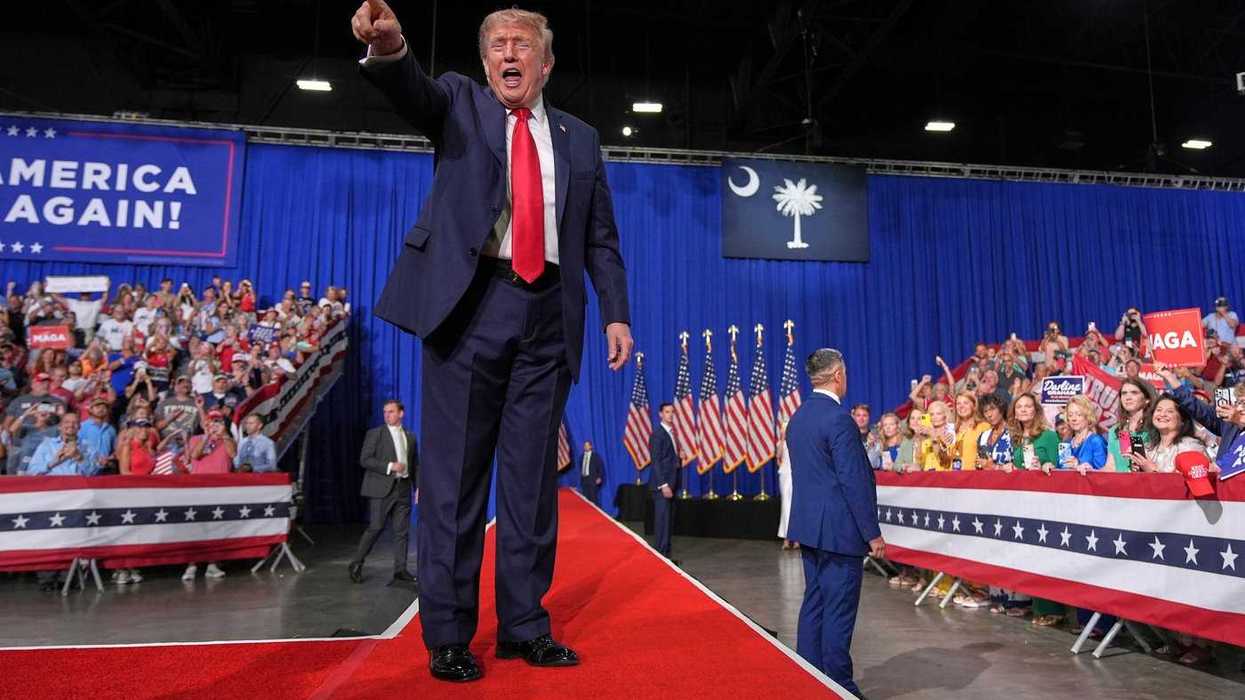
Members of the Trump administration on Monday fanned across cable news stations and in front of crowds of loyal supporters to make the case for Donald Trump's latest tariffs on Canada as the president himself moved to escalate the trade war.
Trump posted on social media that he intends to double tariffs on Canadian automobiles and auto parts to 50 per cent on Jan. 1. Later in the day he escalated that further, threatening to shut off the pipes which carry natural gas and oil from Western Canada to Ontario and Quebec via the United States.
"Canada will be treated like a State no longer! On Trade, and in other ways, also, they are among the worst Nations in the World to deal with," Trump said in the first post. "They feel entitled, and yet, WE DON’T NEED CANADA, THEY NEED US!"
Trade talks between Canada and the U.S. fell apart Friday, triggering 50 per cent tariffs on a host of Canadian goods.
The move to hit one of America's largest trading partners with more duties could prove challenging for Republicans ahead of November's midterm election who are already staring down increased gas and consumer prices amid the closure of the Strait of Hormuz.
The Canadian tariffs could play an significant role in deciding which party holds the majority in the Senate. They're unlikely to be popular in states where close races are expected including Maine and Michigan.
Trump's trade czar earlier Monday tried to downplay the impact of the duties and blamed Canada for the unsuccessful trade talks.
United States Trade Representative Jamieson Greer told CNBC the new duties cover about five per cent of Canadian imports, saying it's "a pretty low amount in the grand scheme of things."
Greer accused Canada of wanting more from the Trump administration in "the last hours." He dismissed reports that Commerce Secretary Howard Lutnick had inserted himself in the negotiations and was unhappy with the deal.
"Simply, they wanted more. I don't know if it was political for them. It certainly doesn't make economic sense," Greer said. "But perhaps for political reasons, they have some byelections coming up. I don't know, but they came in and they wanted, they want more, and we weren't prepared to do that."
Prime Minister Mark Carney on Saturday accused the U.S. of trying to introduce the last-minute measures, including restrictions on Canada's ability to do deals with other countries.
Carney promised to retaliate with dollar-for-dollar tariffs by Sept. 8.
American and Canadian sources have pointed to tariffs on heavy trucks as a major point of contention. Canada expected exemptions or reductions on the duties and Trump officials were unwilling to budge.
The breakdown of trade negotiations received mixed reactions from American politicians, with Democrats widely condemning the Trump administration's move.
Virginia Gov. Abigail Spanberger, a Democrat, said in a post on social media that Trump's tariffs and Canada's retaliatory duties will raise costs for businesses of every size and in every industry. Wisconsin Gov. Tony Evers echoed those concerns, calling it "reckless and ridiculous."
Rep. Timothy Kennedy, who represents Western New York, posted on social media Monday that "Canadians are our neighbors and friends, not our enemies."
"These tariffs increase the cost of living for all Americans and cost jobs by hurting our economy," Kennedy said. "But Northern Border communities like ours disproportionately feel the economic impact of President Trump’s persistent attack on Canada through his ridiculous and chaotic tariffs."
In border state Maine, Sen. Susan Collins, a Republican, said she had "heard from many businesses, farmers, and lobstermen concerned about the cost of navigating the tariffs, the lack of domestic supply chains, and the likely imposition of retaliatory tariffs by Canada."
"I urge both sides to return to the negotiating table," she said in a Saturday post on social media.
During a campaign-style event in Collins' state Monday, Vice-President JD Vance claimed a "Freudian slip" when he called Canada a state.
Vance repeated misleading claims about Canadian agriculture duties in front of the northern border-state crowd. He said "Canada and China have been the two worst countries when it comes to trade policy anywhere in the world."
Vance also claimed that Canada would get invaded by another country if not for the umbrella of protection from the United States, despite America being the only country that is threatening Canadian sovereignty.
While talking about the most recent round of negotiations, Vance claimed Canada is a backdoor for Chinese goods and suggested Canadian negotiators came in with a "bunch of unreasonable last-minute demands."
"I frankly thought we had a deal. I think that we should have a deal," Vance said.
"But I think we need to send a message loud and clear to the Prime Minister of Canada, 'Stop taking advantage of the people of Maine. Stop taking advantage America.'"
This report by The Canadian Press was first published Aug. 24, 2026.
By Kelly Geraldine Malone | Copyright 2026, The Canadian Press. All rights reserved.