Endangered Species Are Disappearing In Canada & WWF Says We're Not Doing Enough
Canada needs to do more to protect its endangered animals. That’s the message coming from the World Wildlife Fund this week. In a new report, the organization revealed that Canadian at-risk species have declined by an average of 42% in the last 50 years, and it could be about to get worse.
On September 2, the World Wildlife Fund (WWF) shared a new report, calling on Canada to take stronger action to protect its endangered critters.
Editor's Choice: Ontario Is About To Be Hit By Strong Winds & Possible Tornadoes Today
The Living Planet Report Canada 2020 says that our most at-risk animals are “undergoing staggering losses.”
In fact, the species most at risk of global extinction have seen an average population decline of 42% since 1970.
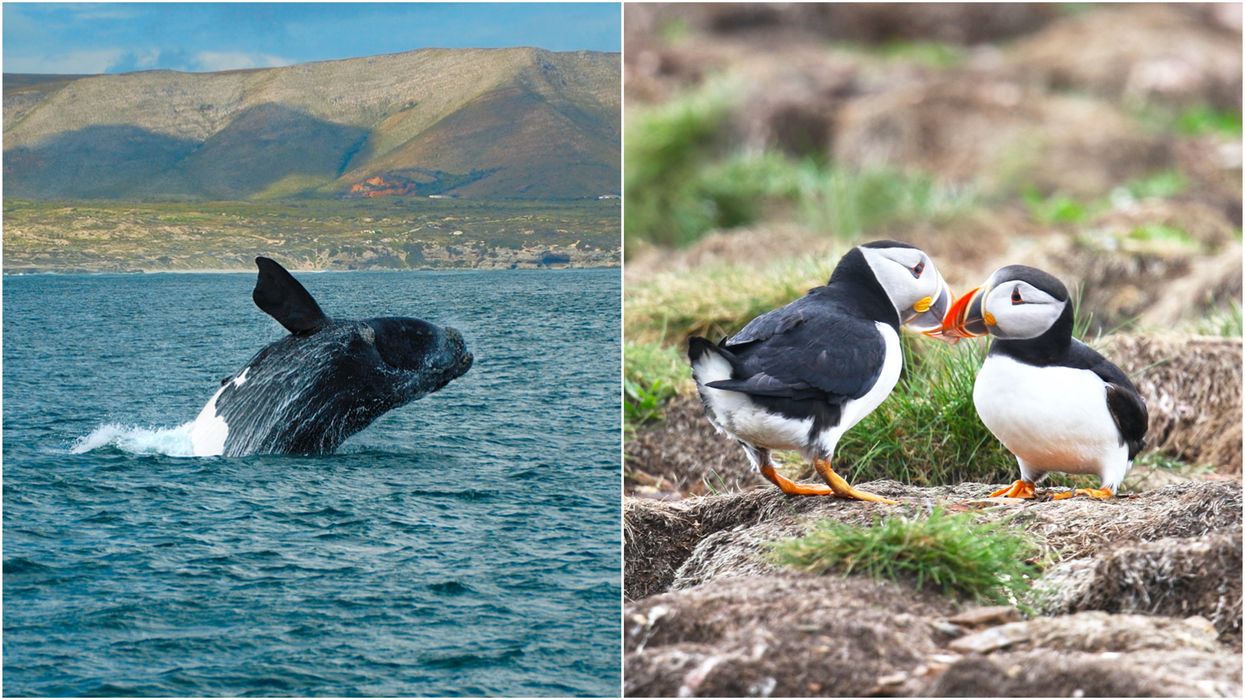
This, according to the WWF, includes animals like the wood turtle, the Atlantic walrus, the North Atlantic right whale and so many more.
Creatures that have a strong, or even exclusive, presence in Canada are critical to protect, explains the organization.
This includes the Vancouver Island marmot, the Atlantic puffin and the barren ground caribou, whose numbers have dropped by up to 90% in some areas.
They’re struggling due to factors like urban development, climate change, habitat loss and pollution, and the WWF wants Canada to step-up.
When it comes to protecting these species, the WWF says Canada’s intervention policies focus on just one threat at a time, rather than tackling a multitude of problems at once.
A “multifaceted approach” would help combat biodiversity loss and climate change together, argues the wildlife charity.
To better move forward, the report suggests working alongside and consulting with communities managing Indigenous lands, who are “often better” at supporting at-risk populations.
The overall findings of their research, says the WWF, is that there’s a need for “immediate action and heightened ambition” in Canada right now.
“The next decade will be critical in reversing catastrophic wildlife loss and climate breakdown,” concludes the report.
*This article's cover image is for illustrative purposes only.