COP31 outcome not what Ottawa had 'hoped' for: environment minister
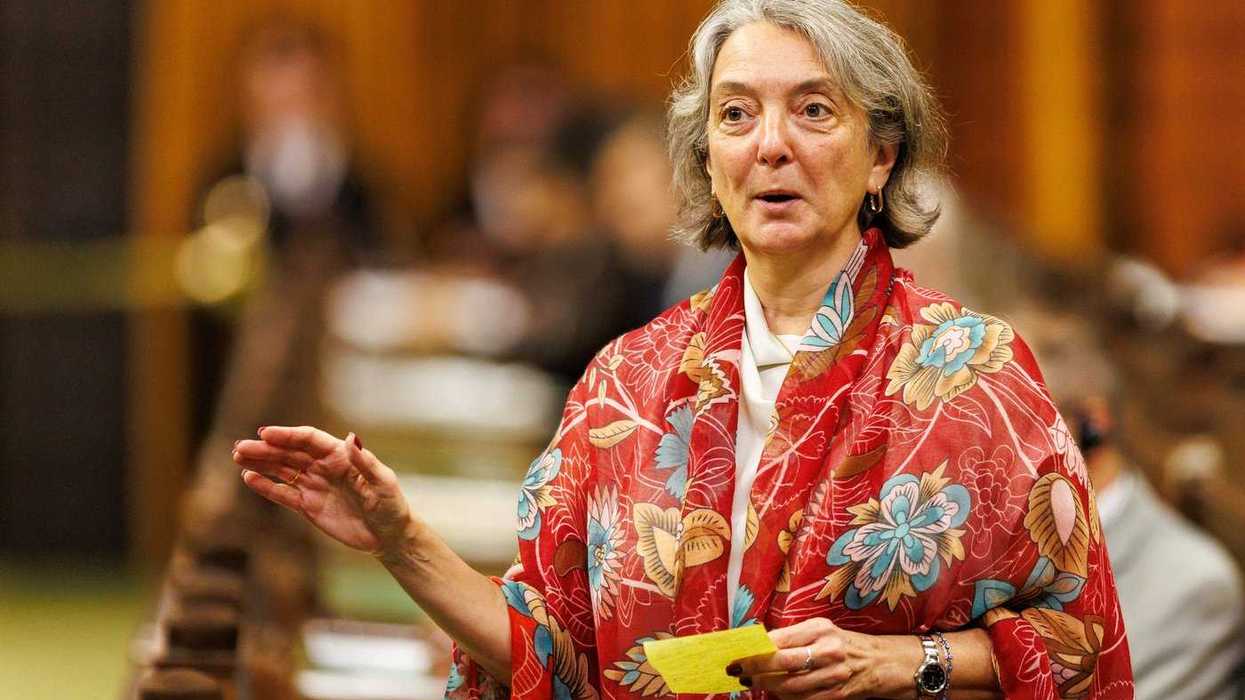
The outcome of the recent annual United Nations climate conference was not what her government had "hoped for," Environment Minister Julie Dabrusin said.
In a statement issued Sunday afternoon, Dabrusin called on all parties to achieve "tangible outcomes" over the next year to move the world toward net-zero emissions.
"We have one year until COP32. It is incumbent on all parties to use that time to reflect on this process and make sure we can have achievable tangible outcomes that move us forwards," Dabrusin wrote.
She thanked Canada's negotiators for what she called "real outcomes on key issues like methane, electrification and the oceans-climate nexus."
After two weeks of meetings in Antalya, Turkey, delegates to the COP31 climate conference ended their deliberations Sunday without reaching an overall agreement.
The draft agreement up for debate at COP31, which was rejected by the European Union and other delegates, failed to mention the phrase “fossil fuels."
It's the first time a UN climate conference has failed to come up with a final, non-binding agreement since 2009.
At the COP28 conference in Dubai in 2023, the world agreed to “transition away" from fossil fuels.
Expectations for COP31 were low heading in, but disagreements emerged among nations over the scale of the crisis and over explicitly calling out the role of fossil fuels in climate change. Many negotiators, activists and even organizers used the word “disappointing” to describe the discussions.
While the talks failed to reach a main agreement, also known as a cover decision, they did make progress on smaller issues. The two-week session ended Sunday night after running more than 50 hours overtime.
Climate change is accelerating and driving heat waves, floods, storms and droughts, while a stronger El Niño system this year is expected to amply severe weather events. The UN says it's now inevitable that the world will blow past the temperature threshold established by the 2015 Paris climate agreement.
“I am deeply disappointed that COP31 has ended without consensus on an overarching outcome,” United Nations Secretary-General Antonio Guterres said. “Temperatures keep shattering records. Climate extremes keep intensifying. Emissions remain far too high. And every delay makes our task harder and more costly.”
Any pact approved at the talks requires near-unanimous consensus. Several countries and the 27-nation European Union said they could not accept the final proposal from the joint Turkish-Australian leadership at COP31, which didn’t mention fossil fuels.
A considerably larger number of nations accepted the decision — in some cases reluctantly — in the interest of consensus. Russia and Saudi Arabia sought to keep fossil fuels out of the document.
“It’s unconscionable that we would have a climate act that makes no reference to fossil fuels,” Darragh O’Brien, Ireland’s climate minister, said on behalf of the EU at the climate talks.
This report by The Canadian Press was first published Nov. 23, 2026.
— With files from The Associated Press
Copyright 2026, The Canadian Press. All rights reserved.