Government of Canada jobs for students are open and you can make up to $38 an hour
Recruitment for the FSWEP is year-round!
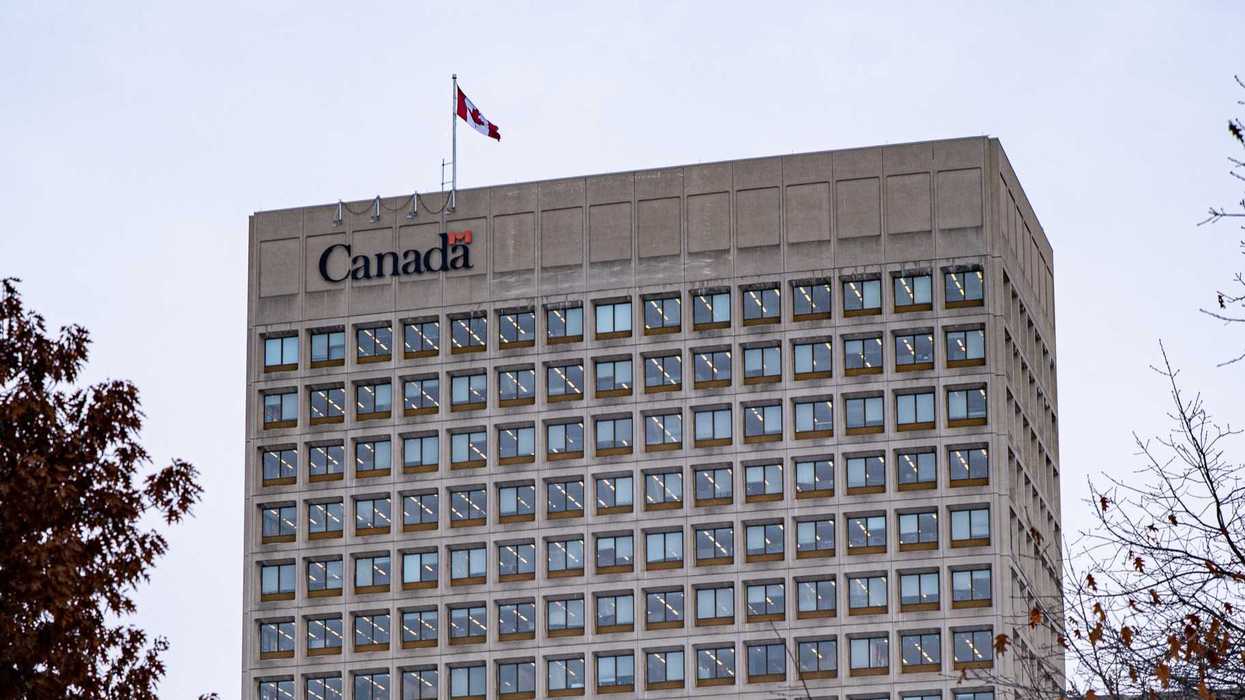
Government of Canada building.
There is ongoing recruitment happening for government of Canada jobs that are available to students.
You can make up to $38 an hour with these positions if you get hired!
The federal government uses the Federal Student Work Experience Program (FSWEP) to staff positions all over the country.
It's an inventory for high school and post-secondary students that's open year-round.
There are full-time and part-time jobs for students in administration, agriculture, communications, enforcement, finance, IT, policy, and other fields.
You can work in offices and laboratories, on ships and farms, at historical sites and national parks, or in other locations in cities and towns across Canada.
Also, there are English-only, French-only, and bilingual jobs available through this program.
You're eligible to apply for the FSWEP if you:
- are a full-time high school, CEGEP, college or university student
- are returning to full-time studies in the next academic year
- meet the minimum age requirement in the province/territory of work
Students in their final year of academic study who aren't returning to full-time studies are only allowed to work part-time until their graduation.
You can submit your application to the FSWEP inventory at any time.
Since managers request applications from the inventory throughout the year, the federal government said to update the information in your application regularly.
That can help you get matched with the right job opportunities for you.
If you get hired through the FSWEP, what you make depends on your education level.
Here are the student rates of pay for FSWEP jobs:
- high school — $17.75 an hour
- college/CEGEP — $17.75, $18.69, $19.78, $20.95, $22.23 or $23.55 an hour
- university undergraduate — $18.84, $20.16, $21.60, $23.07, $24.72, $26.46 or $28.30 an hour
- master's — $25.17, $27.18, $29.34 or $31.69 an hour
- doctorate — $29.64, $32.31, $35.21 or $38.38 an hour
If the provincial or territorial minimum wage is higher than the maximum pay for your academic level, you'll get the provincial or territorial minimum wage rate instead.
This article's cover image was used for illustrative purposes only.