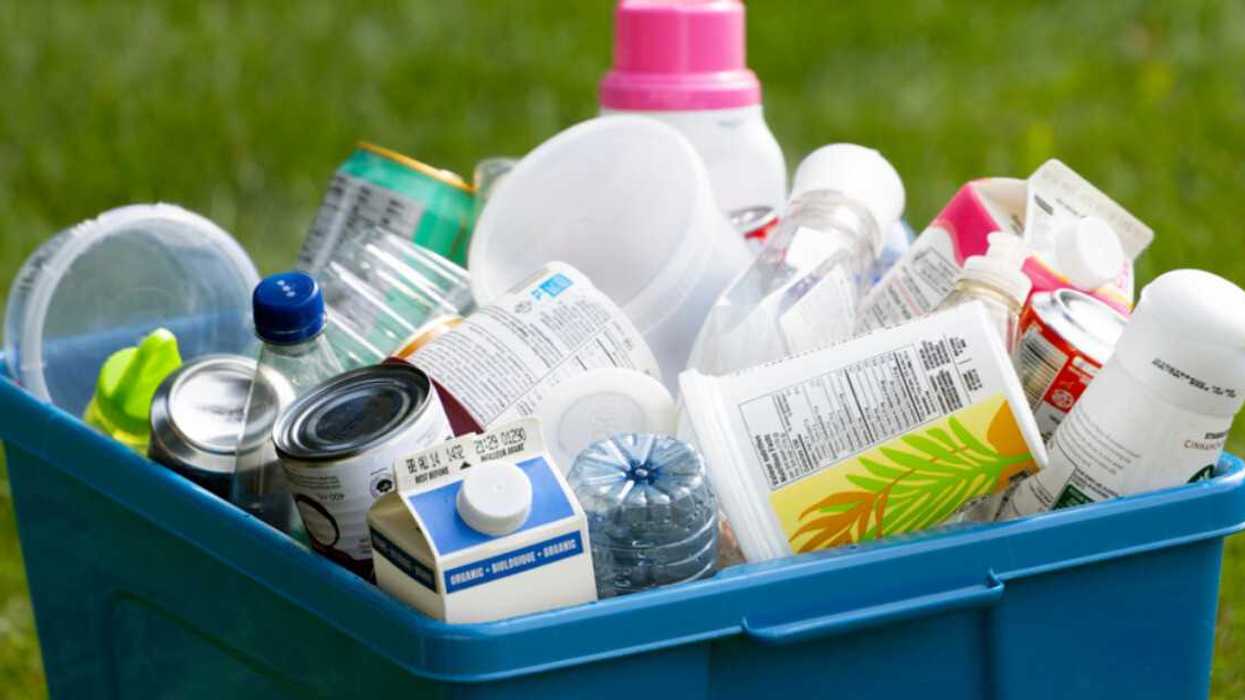
If recycling in Ontario has ever felt confusing — different rules in different cities, mystery plastics, cups you weren't sure about — that's exactly what this new system is meant to fix.
As of January 1, 2026, an enhanced, producer-funded recycling program has officially kicked off across Ontario.
One of the biggest shifts is who pays for it. Under the new system, recycling is now fully funded by producers through extended producer responsibility (EPR), meaning the companies that supply packaging and paper products to Ontarians are responsible for covering the costs of recycling their materials — these producers are familiar companies, brands and retailers Ontarians interact with every day.
Municipalities and taxpayers are no longer paying the bill for recycling, which means residents across Ontario are collectively saving more than $200 million. These cost savings can now be used to fund other important community projects and services.
For households, the change is designed to make recycling simpler and more consistent.
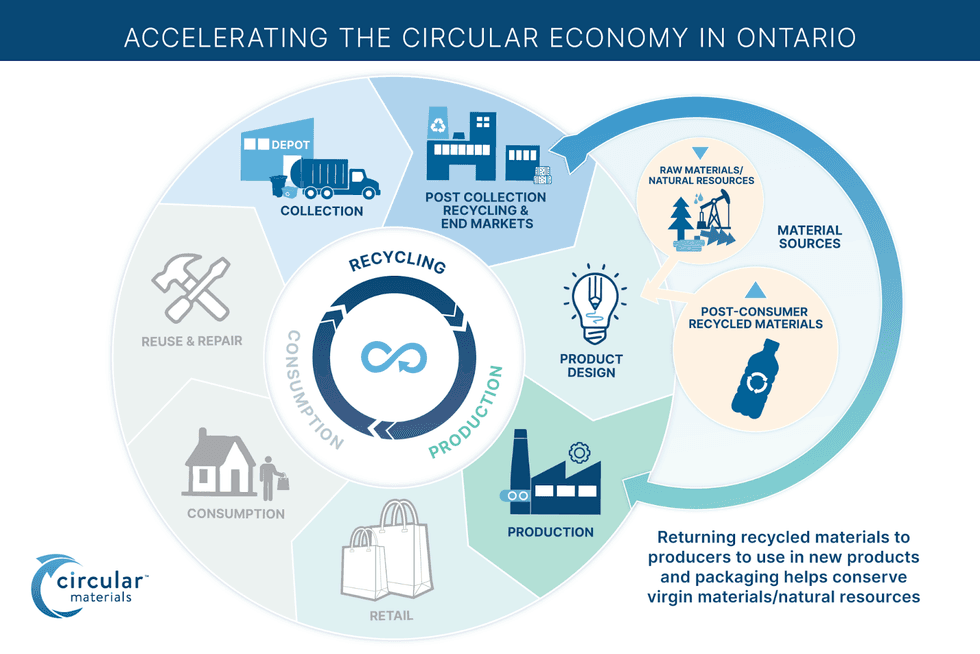 Producers will take greater responsibility for recycling in 2026. Courtesy of Circular Materials
No matter where you live — from the GTA to Ottawa, Hamilton, London or smaller cities across the province — the same unified material list now applies. That means fewer second guesses at the blue box and a clearer understanding of what can be recycled, regardless of your postal code.
It also means more everyday items are now accepted. Hot and cold beverage cups, black plastic containers, frozen juice cartons, ice cream tubs, toothpaste tubes, deodorant containers and other commonly used packaging can now go in the blue box.
The rollout is being managed by Circular Materials, a not-for-profit organization working with communities across Ontario. Residents can check community-specific webpages for local collection schedules and service updates, so it's easy to see how the program works where you live.
The new system is about more than your curbside pickup. One initiative in development, the Material Access Program, is a first-of-its-kind program designed to return recycled materials directly to producers for use as recycled content in new packaging and products.
Overall, the updated blue box program is meant to make recycling easier and more consistent across Ontario. With one unified material list, more accepted items and producers covering the cost, the goal is a simpler system that helps move the province toward a greener future.