New York police say location data from car matched location of body of Montreal girl
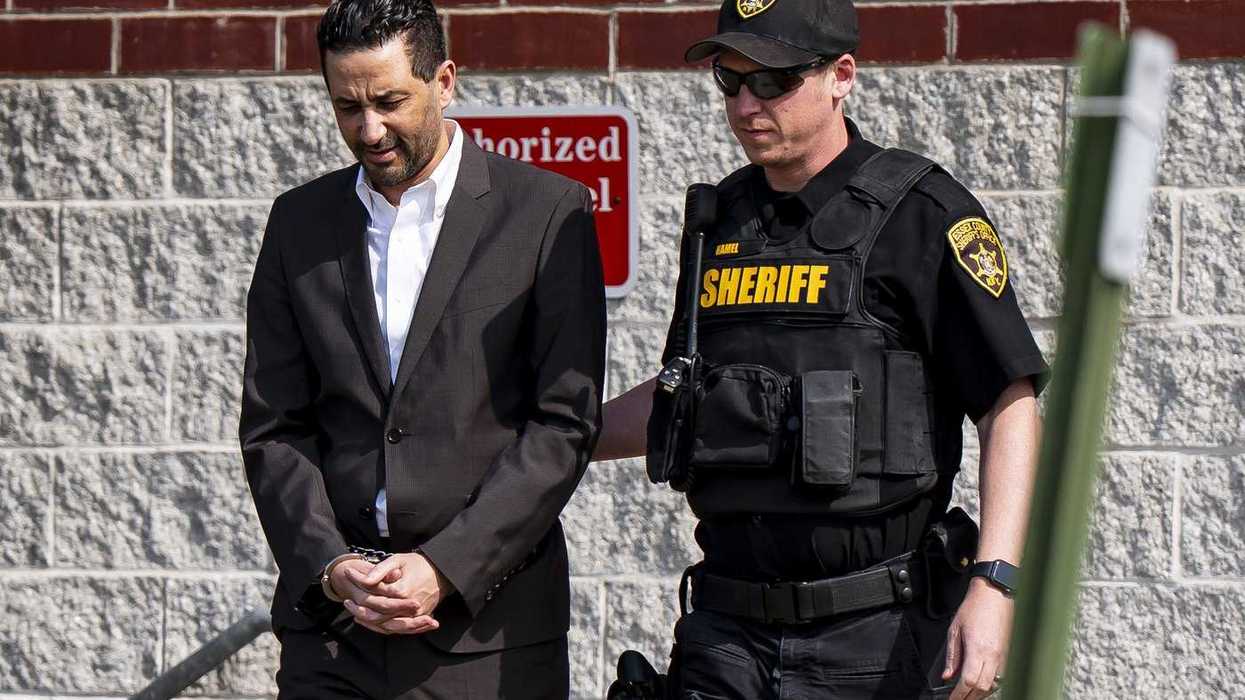
Location data from the car driven by a man accused of second-degree murder matched up with the area where investigators found the body of a Montreal girl killed last summer, a police forensic expert testified on Friday.
The testimony was part of the evidence introduced in court as experts from New York State Police walked a New York jury through the police process of extracting and analyzing the car's data.
Luciano Frattolin is on trial and facing charges of second-degree murder and concealment of a human corpse in the death of his nine-year-old daughter, Melina Frattolin, who lived with her mother in Montreal.
Frattolin, 46, has pleaded not guilty to both charges and has been held without bail since his arrest in July 2025.
The girl was found drowned to death in a marsh in rural New York, at the end of a trip with her father.
Frattolin has alleged that two men abducted his daughter and drove off in a white van.
The prosecution has alleged he fabricated the allegations of a kidnapping.
The case has provoked an outpouring of emotions on both sides of the Canada-U.S. border, including candlelight vigils and tributes for the girl from residents living around the New York region where she died.
Investigators previously testified how they used phone location data to find the girl's body.
On Friday, they explained they subsequently retrieved the data from the car Frattolin was driving. It allowed investigators to confirm that the car and the phones had followed the same trajectories, the jury was told.
The location data pulled from the car indicate it was on the road next to where police would later find the body shortly before 9 p.m., on July 19, 2025. The car then headed west.
Around an hour later, Frattolin placed a 911 call, reporting his daughter had been abducted.
Sean Kane, the investigator who analyzed the data from the car, says police extracted a chip from the car and analyzed it to obtain the data.
“I was hopeful we would gain location data, which is exactly what we got,” said Kane to the jury.
Car data is highly dependent on the model and age of the car, and can include things like records of when doors opened and when seatbelts were on, Kane explained. In this case, police only found location data, meaning they cannot tell if Melina was in the car when her father drove off from the location where her body was found.
While Kane confirmed the car left that location at around 8:55 p.m., he did not share details about the location of the car for a 90-minute period between 9:10 p.m. and about 80 minutes later, when the car was located at a police parking lot.
Frattolin called 911 about his daughter's disappearance in the middle of this period at around 10 p.m., but Kane did not share any data indicating where the car was at this time.
During cross-examination, Frattolin’s attorney Eric Weyand pressed for answers about the gap in information.
Kane said police were unable to retrieve data for this period and he said he was unable to explain why it was missing.
Weyand also asked another police witness about the time it took investigators to analyze the car data, noting that police found the body before they processed the information from the car.
Heather Charpentier, computer forensic analyst for the state police who extracted the chip, testified that she took a break from the extraction after the body was found.
“I was told it was no longer urgent,” she said.
Frattolin’s trial, which began last week, is expected to continue into next week.
This report by The Canadian Press was first published July 31, 2026.
By Marieke Glorieux-Stryckman | Copyright 2026, The Canadian Press. All rights reserved.