Gas prices will drop next week thanks to the carbon tax — but not by as much as you think
How much will the carbon tax cut actually save you at the pump? ⛽️
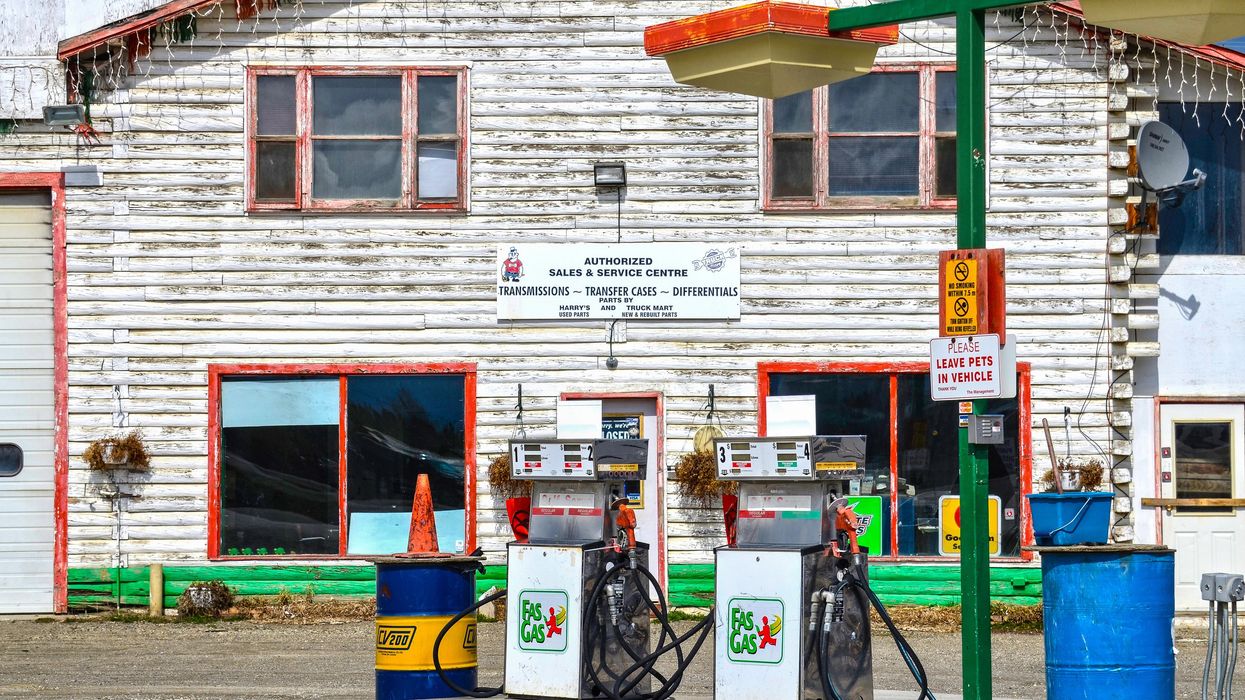
The carbon tax will drop gas prices in most of Canada next week. But by how much?
Gas prices in Canada are expected to see a big drop next week thanks to the elimination of the consumer carbon tax — but maybe don't get too excited just yet.
The cut, announced by Prime Minister Mark Carney just hours after being sworn in earlier this month, will remove the federal fuel charge on gasoline, diesel and other fossil fuels effective April 1. But at the same time, prices will be quietly rising behind the scenes for other reasons, meaning the price you see at the pumps might not actually drop as much as you were hoping.
Currently, the federal fuel charge accounts for about 17.6 cents per litre of gasoline you buy in the parts of Canada where the federal regulations apply — that is, everywhere except B.C., Quebec and the Northwest Territories, which have their own carbon pricing systems. It has been a key piece of Canada's climate policy since 2019, aimed at making fossil fuels more expensive to encourage people to use less and push companies to offer more climate-friendly alternatives.
The surcharge was actually set to increase by 3.3 cents a litre on April 1, before Carney axed the tax entirely as of that same date. And while a Department of Finance official confirmed to Narcity that the full 17.6-cent charge will be removed next week in jurisdictions where the fuel charge applies, they conceded that "the government doesn't control prices at the pump" — and gas prices are influenced by a number of factors.
One of those factors is the switch over to summer-grade fuel. Gas analyst Dan McTeague, president of Canadians for Affordable Energy, told Narcity earlier this month that the seasonal fuel blend transition will nudge gas prices back up by about 5 or 6 cents per litre — maybe even more in some regions. Plus, other factors like supply and demand could start pushing prices up soon as well.
"We tend to see prices move up anyway at the end of March, beginning of April, as we make that switch over," McTeague said. "And that then leads us to May, when you start to see higher demand for fuel as people start to think about vacations, and warmer weather brings more use."
Summer gas has a lower volatility, meaning it's less prone to evaporation — something that's more important in summer months. Winter blend, on the other hand, contains more butane to make it more volatile, which helps it ignite more easily in freezing temperatures.
The added butane in winter blend makes it less expensive, while summer blend is more expensive but also more efficient and produces fewer emissions.
The switch from winter to summer gasoline is federally mandated and happens every year by April 15. This year, it just so happens to coincide with the federal government officially eliminating the consumer fuel charge.
McTeague also pointed to a weakening Canadian dollar as another factor in gas prices continuing to rise. "I don't know if a lot of people know this, but because we price all of our commodities — like oil, gasoline and diesel — in U.S. terms, the fact that it takes 144 pennies to buy a U.S. dollar adds about 26 cents a litre to the price of fuel," he explained.
Add in other factors like harmonized sales tax (HST) and goods and services tax (GST), and you're looking at a more complicated equation than simply subtracting 17.6 cents.
The good news? Yes, prices are technically going down, and you'll probably see a noticeable decrease when you go to fill up on April 1. But between fuel blend changes, clean fuel regulations and the ever-weakening Canadian dollar, McTeague cautions against expecting a huge difference at the pumps in the long run — and definitely not the full 17 cents.
"It's a lot of moving parts that goes into why prices are what they are, but it's not looking great for Canadians."
- Everything you need to know about gas prices & rebates now the consumer carbon tax is dead ›
- Mark Carney just axed the carbon tax — Here's what happens to the April rebate payment ›
- Gas prices are going up tomorrow across Canada but here's which spots have the savings - Narcity ›
- Gas prices in Canada are swinging hard tomorrow — Here's where to fill up now vs. wait - Narcity ›