Opioid ATMs Are Coming To Multiple Canadian Cities & They Use 'Vein Scanning'
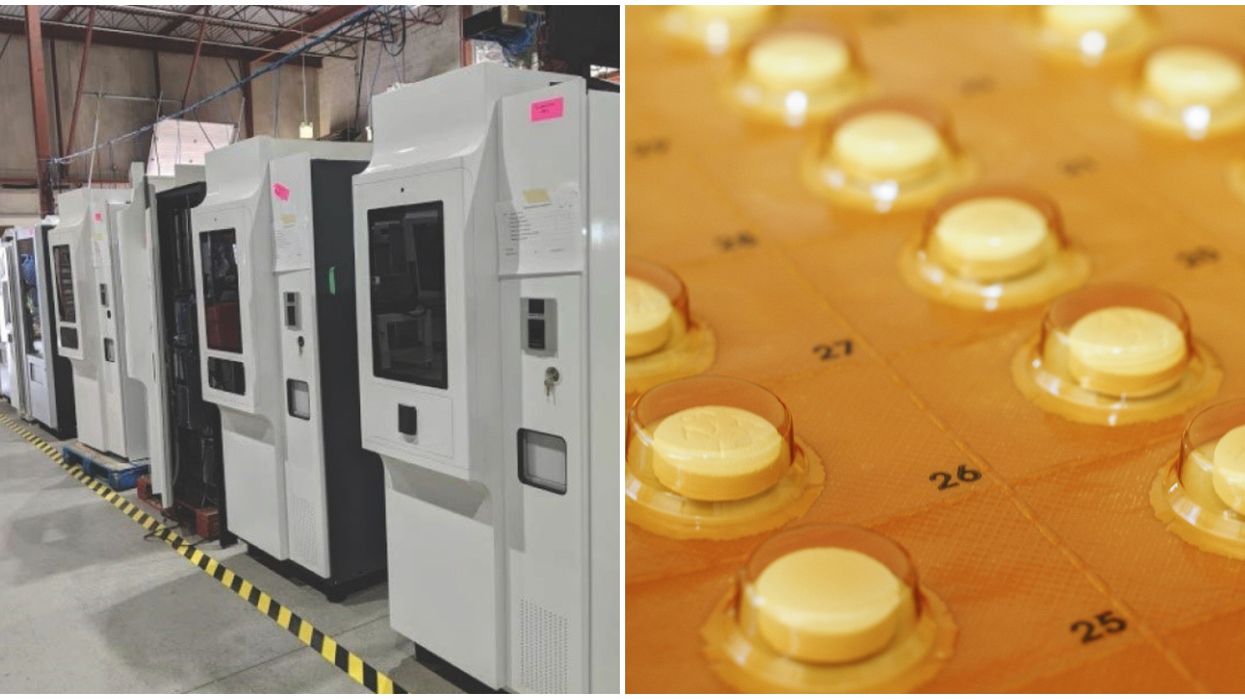
The COVID-19 pandemic isn't the only health crisis affecting the world. The ongoing opioid epidemic is still causing plenty of problems. One Canadian company is working to combat it, and their invention, a safe vending kiosk, is expanding into more areas of the country.
In an August 13 press release, Dispension, a Dartmouth company that specializes in creating safe, secure distribution systems for opioids, announced that they would be distributing five more of their machines in cities across three provinces.
Editor's Choice: Prorogue Parliament In Canada Asked For By The PM But CERB Won't Be Affected
London, Ontario, Dartmouth, Nova Scotia, and Victoria and Vancouver, British Columbia, will be receiving the company's Verified Identity Dispensers (VIDs) known as MySafe.
These utilize "industry-leading software, advanced biometrics, and tamper-resistant hardware" in order to dispense safe dosages of hydromorphone to those who are struggling with addiction.
The release notes that this option is far safer than people resorting to illegal street drugs.
The MySafe kiosks utilize biometric palm vein scanning technology to verify a user's identity before releasing the product to them.
This allows for keeping the supply of opioids secure, as well as providing real-time feedback that can be used for scientific and medical research.
Most importantly, the scan also allows for contactless use, which is becoming an increasing priority in 2020.
Dispension is receiving a $500,000 loan from the government through the Atlantic Canada Opportunities Agency, which will allow them to undertake their expansion efforts.
"Dispension is committed to protecting the health and safety of Canadians and we are proud to be doing so from right here in Dartmouth," Corey Yantha, President and CEO of the company said in a statement.
"We are grateful to the Government of Canada and in particular, ACOA, for supporting our production operations with scale up and productivity funding."
The company is building 15 more units for its next distribution phase. They say that aside from narcotics, the machines can also be used to dispense other products, such as cannabis or alcohol.