The Feds Say A COVID-19 'Resurgence' Is Possible In The Fall Or Winter & Here's Why
A "greater than expected" resurgence could come about after summer.
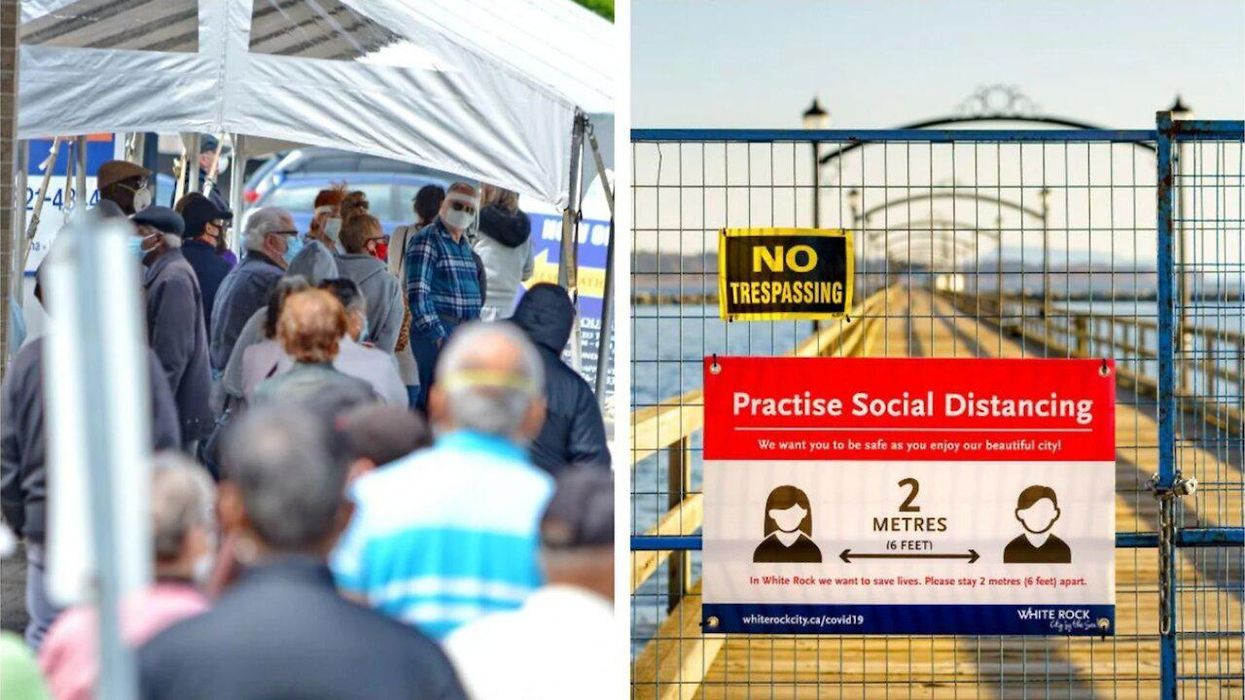
On Monday, June 28, the Canadian Government released a statement from the Chief Public Health Officer mentioning that a COVID-19 resurgence is still possible in the country.
While the statement did note that Canada is making huge progress in reducing case counts and increasing vaccination coverage, it noted that "the increased transmissibility and severity of the Delta variant" could prompt a resurgence if "easing of public health measures proceeds too quickly and in-person contact rates across the community increase by 50% or more."
If the Delta variant becomes more prominent in Canada, the statement says modelling indicates the potential for a "greater than expected resurgence this fall and/or winter."
While the Delta variant is being called the "latest hurdle" in the fight against COVID-19, the Chief Public Health Officer's statement says that we can reduce the risk of a strong resurgence by continuing to work together. Following health guidelines and getting vaccinated are the two most important ways to stop the spread.
"By keeping up the momentum to build a stronger wall of vaccination protection and staying vigilant to keep cases low, we can stay on track for a safer fall and winter."