Canada just announced a new grocery benefit & massive GST/HST Credit increase
You could get hundreds more per year! 👀💰
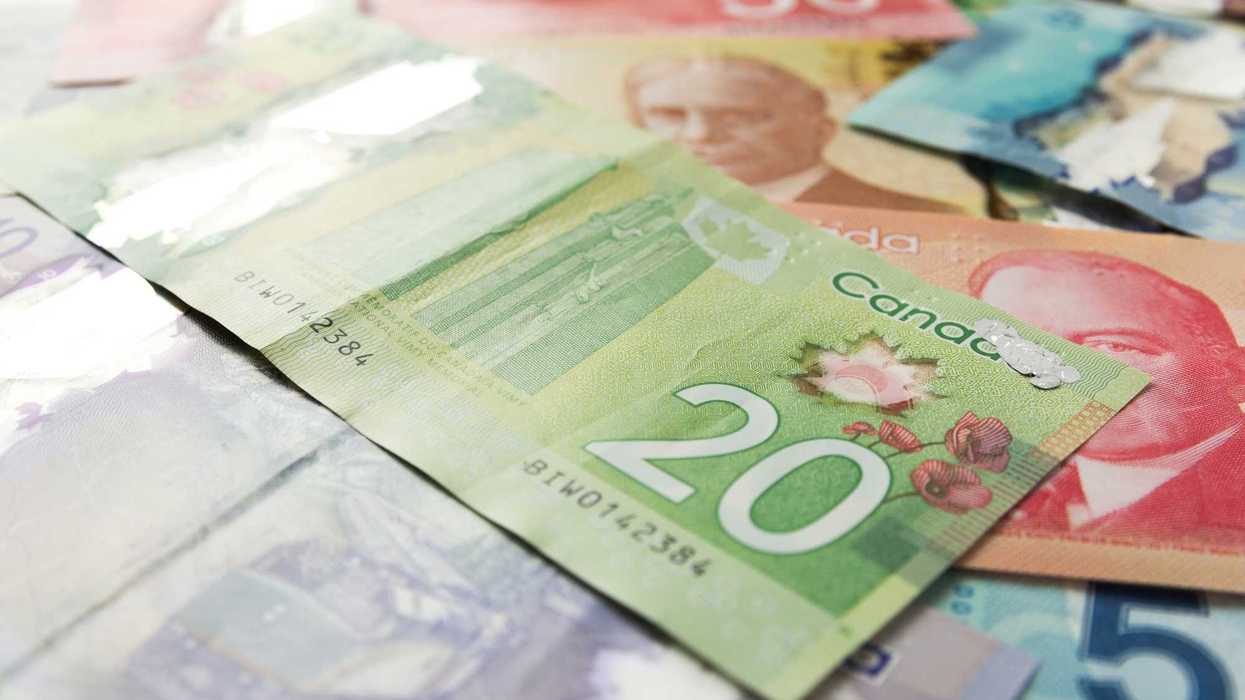
Prime Minister Mark Carney announced a hike to GST/HST Credit rates and a new Canada Groceries and Essentials Benefit on Monday morning.
If you've been feeling squeezed by rising grocery bills, you're not alone — and some relief could finally be on the way.
The Canadian government just dropped major news about government payments, rolling out a new grocery benefit and boosting the GST/HST Credit in a big way.
Prime Minister Mark Carney made the announcement on Monday morning from an Ottawa grocery store, saying millions of Canadians will see more money from CRA payments soon.
READ ALSO: The CRA is sitting on over $1.7B in uncashed cheques — Here's how to check if any are yours
The new Canada Groceries and Essentials Benefit is a one-time payment aimed at tackling food inflation. Pending royal assent, the new benefit would deliver extra cash this year to more than 12 million low- and modest-income Canadians.
Plus, Carney announced a massive increase to quarterly GST/HST Credit payments for the next five years.
Here's everything you need to know.
How much could you get?
Carney's government is proposing to raise the current GST/HST Credit by 25% for the next five years. On top of that, there would be a one-time grocery benefit payment this year, worth 50% of your current annual credit.
That means for the one-time grocery benefit, you could get up to a maximum of:
- $267 for single individuals without kids
- $349 for couples without kids
- $441 for families (single parents and couples) with one child
- $533 for families with two children
- $625 for families with three children
- $717 for families with four children
According to the feds, that one-time boost will land "as early as possible this spring and no later than June 2026."
In addition, starting with the new benefit year in July, annual maximums for the GST/HST Credit would increase to:
- $679 for single individuals without kids (up from $533 in the current benefit year)
- $890 for couples without kids (up from $698)
- $1,124 for one child (up from $882)
- $1,358 for two children (up from $1,066)
- $1,592 for three children (up from $1,250)
- $1,826 for four children (up from $1,434)
Those yearly totals are divided into four equal payments, sent out in July, October, January and April. Those boosted amounts would continue until at least the 2030-31 benefit year.
Who's eligible?
Essentially, you're eligible for these new and boosted payments as long as you are already eligible for the GST/HST Credit. That means you're eligible if you:
- Are a Canadian resident for tax purposes
- Are at least 19 years old (or meet specific criteria if you're younger)
- Filed your 2024 tax return (even if you made no income)
The amount you receive depends on your adjusted family net income. You'll get the full grocery benefit if your 2024 income was $45,521 or less, regardless of your family size.
For the GST/HST Credit boost starting in July, income thresholds are increasing slightly as well for the new benefit year. The same general eligibility requirements apply, including making sure you file your 2025 tax return when the time comes this spring.
Starting in July, you'll get the full (boosted) GST/HST Credit maximum if your 2025 income was $46,432 or less.
For single individuals, there's also a minimum income threshold to get the full single supplement. You must earn at least $23,264 to receive the maximum amount available to you.
If your household earned more than $46,432 last year, your credit gets reduced gradually. Under the boosted payment amounts, the GST/HST Credit will cut off completely around:
- $60,012 for single individuals without kids
- $64,232 for couples without kids
- $68,912 for families with one child
- $73,592 for families with two children
- $78,272 for families with three children
- $82,952 for families with four children
Why now?
Carney pointed to the rising food prices for essentials like ground beef, orange juice and coffee, saying they've jumped as much as 24% in the past year.
"Everyone pays the same GST on items that they buy, no matter how much money they make. But since groceries and other essentials make up a larger share of the budget of lower-income Canadians, the GST puts a higher burden on those less well-off," Carney said on Monday.
"Last year, Food Banks Canada announced that nearly 2.2 million Canadians went to food banks every month," He went on. "The rise in food prices means that a lot of these Canadians need more support right now."
For now, as food prices keep climbing, every extra dollar can help stretch the budget a little further. And with the first payment coming soon, it's a good time to check your eligibility and make sure you file your tax return on time this spring.
Do you think the new grocery benefit will make a difference?
READ NEXT: The CRA has announced a bunch of changes that could impact your 2025 tax return
AI tools may have been used to support the creation or distribution of this content; however, it has been carefully edited and fact-checked by a member of Narcity's Editorial team. For more information on our use of AI, please visit our Editorial Standards page.
- The CRA has announced a bunch of changes that could impact your 2025 tax return ›
- Here's the maximum income you can earn without having to pay taxes across Canada in 2026 ›
- 8 government benefit payments Canadians can get from the feds in February 2026 - Narcity ›
- Grocery prices in Canada could rise as the Middle East conflict disrupts supply chains - Narcity ›