A Study Says Hair Straightening Products May Increase Cancer Risk & Some Women Are More At Risk
This is your sign to stop getting your hair chemically straightened.
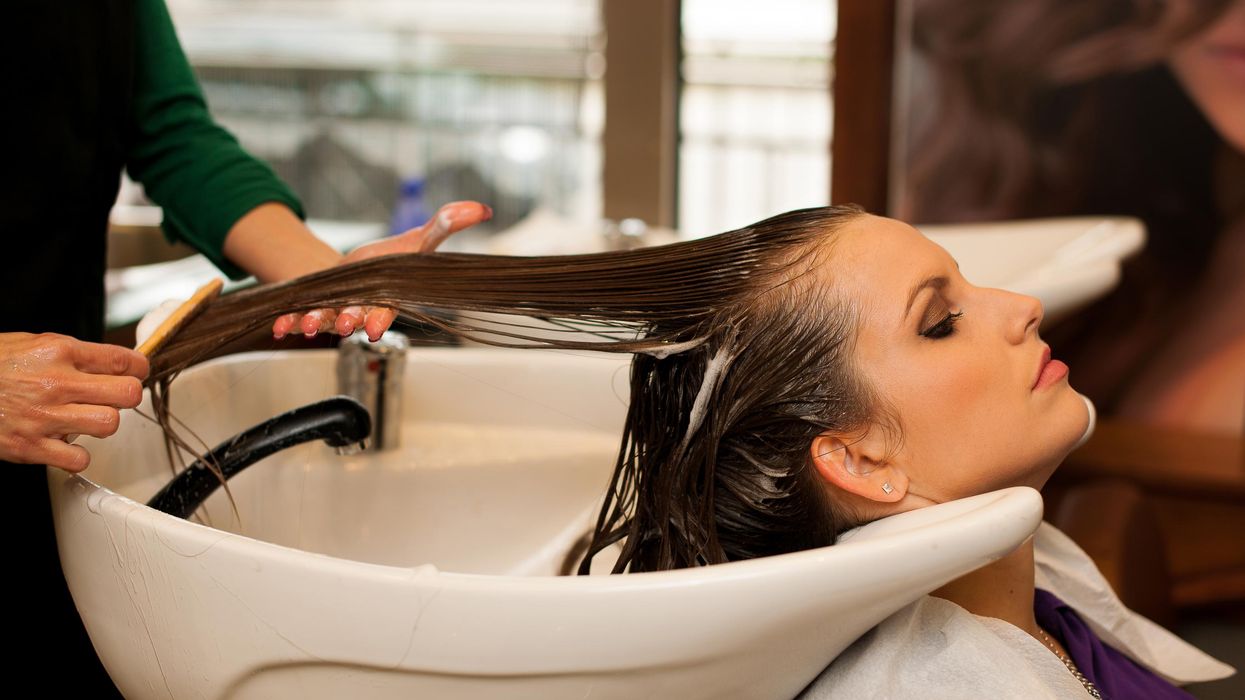
A woman getting her hair treated at a salon.
If you've been chemically straightening your hair, this is your cue to stop because it may increase your chance of developing uterine cancer.
A new study released on Monday suggests that women who use chemicals found in hair straightening products may be at an increased risk of developing hormone-related cancers, such as breast cancer and ovarian cancer.
The study joins previous research on the matter and found that women of colour, particularly Black women, are at a higher risk, reported NPR.
One of the study's lead authors, Alexandra White, said they "estimated that 1.64% of women who never used hair straighteners would go on to develop uterine cancer by the age of 70; but for frequent users, that risk goes up to 4.05%."
The study used data from nearly 34,000 ethnically diverse participants aged 35 to 74 with a uterus. The participants provided information on the hair products they used 12 months prior, including dyes, straighteners and relaxers.
After an average of almost 11 years, 378 participants developed uterine cancer. Those who used hair straightening products had the highest cases of uterine cancer versus those who never used them.
The frequency of use also showed a higher association with uterine cancer. Participants who had used the hair straightening chemicals four times in the past year were at a higher risk.
"These findings are the first epidemiologic evidence of association between use of straightening products and uterine cancer," stated the study. "More research is warranted to replicate our findings in other settings and to identify specific chemicals driving this observed association."
The study didn't specify the exact chemicals or brands because researchers didn't ask the participants to disclose that information during the data collection.
The silver lining is that the same results were not found for people who use hair dyes. So you can keep getting your roots touched up without worrying about getting cancer.
Although the study assured that uterine cancers are rare, their findings suggest that Black women are at a higher risk of developing it than other ethnic groups. This is due to more frequent use of hair straightening products and how early on in life they begin using them, the study authors say.
"Although no differences in the hazard ratios between racial and ethnic groups were observed, the adverse health effects associated with straightener use could be more consequential for African American and/or Black women because of the higher prevalence and frequency of hair product use, younger age of initiating use, and harsher chemical formulations (ie, higher concentrations of EDCs and chemicals being regulated or banned) than other races and ethnicities," the study noted.
It's important to note that Black women are more prone to using chemicals to relax and straighten their hair because of a history of discrimination and societal bans over their natural hair textures and the hairstyles they traditionally adopt, such as braids. This brand of discrimination is especially notable historically in the United States.
Multiple studies have shown the marginalization of Black women and men over their hairstyles, including the limitations it imposes on them in professional settings, schools and much more.
In fact, many states still overlook discrimination against Black people's natural hair, as shown by PEW Trusts.
This article's cover image was used for illustrative purposes only.
- A Drug Trial Made Cancer Vanish For The 'First Time In History' With ... ›
- Multiple Hair Products Are Being Recalled In Canada Due To A ... ›
- Ultra-Processed Fast Food & Dementia Were Linked In A New Study & Here's What You Should Know - Narcity ›
- Olaplex Is Being Sued For Allegedly Causing Hair Loss In Some Women & The CEO Is Firing Back - Narcity ›
- Guerdy Of 'RHOM' Was Diagnosed With Breast Cancer & There's A New Age To Start Screening - Narcity ›
- UV Dryers At Nail Salons May Be Linked To Cancer Risk & Here's What Doctors Recommend - Narcity ›
- I Was Diagnosed With Skin Cancer & Here's The Expert Advice I Wish I'd Known Sooner - Narcity ›