8 bucket-list destinations Canadians are actually urged to avoid in 2026
Your 2026 bucket list might need some editing. 👀
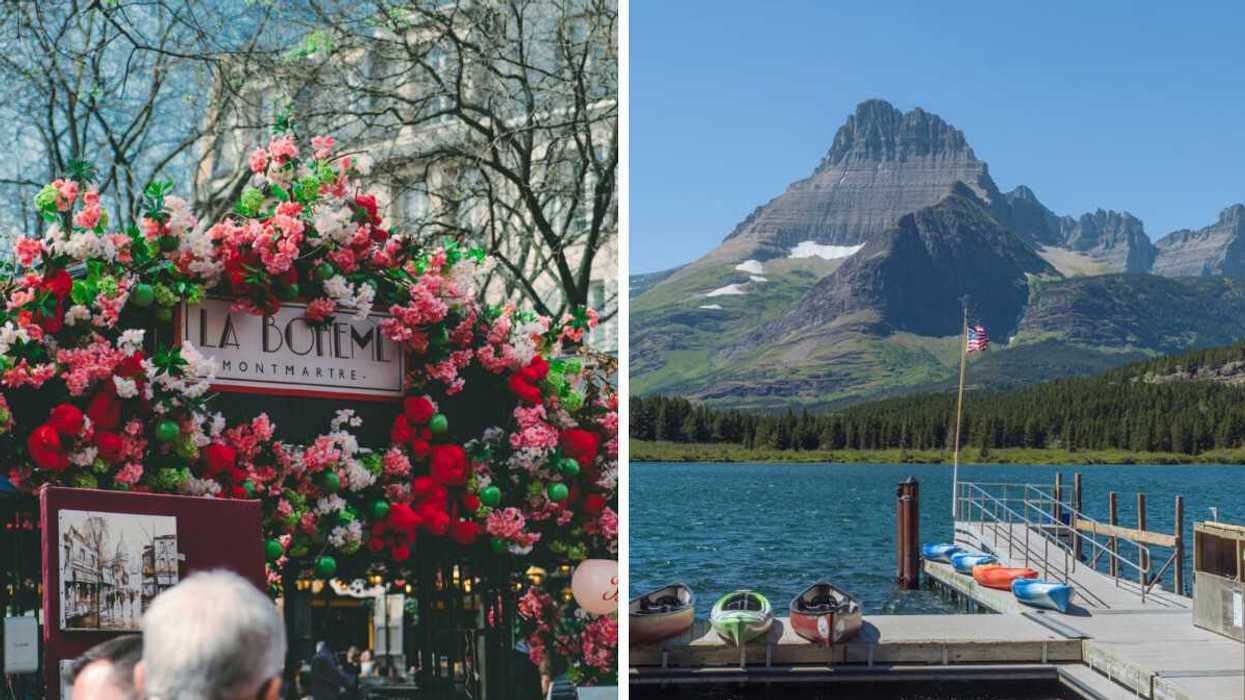
Both of these destinations made Fodor's 2026 "No List."
Already mapping out your 2026 travel plans? You might want to reconsider some of those bookmarked destinations. Fodor's just released its annual "No List" — and this year's lineup features eight places that are likely already on your radar.
These aren't remote or dangerous locations that would naturally raise red flags. Instead, they're the destinations flooding your Instagram feed, the bucket-list classics, and the spots that travel guides have been championing for years.
The publication's latest travel advisory comes with an uncomfortable truth about modern tourism: these eight destinations have become victims of their own appeal. The breathtaking landscapes, unique cultures, and historic sites that originally put them on the map are now buckling under the weight of millions of visitors arriving to experience them.
What sets this year's list apart is that these places aren't facing traditional travel warnings. There's no political instability or safety concerns here. Instead, they're grappling with the consequences of extreme popularity, from ecological damage and overwhelmed infrastructure to local communities reaching their breaking point.
Fodor's emphasizes they're not calling for outright boycotts, which would cripple tourism-dependent economies without solving underlying issues. Instead, they're asking travellers to understand the real impact of their choices and consider whether that dream trip needs to happen right now — or whether these destinations deserve a chance to recover.
Here's where each spot is on this year's list, and exactly why you might want to cross them off your bucket list — for now, at least:
Monmatre, Paris
The draw: This charming Parisian neighbourhood features the Sacré-Cœur, winding cobblestone streets, an artistic legacy, and an authentic bistro culture that survived the city's modernization.
The problem: Annual visitors to Sacré Coeur exceed 11 million — topping the Eiffel Tower. Plus, property values spiked 35% last year alone. Multi-year construction projects promise to "return" the area to residents, but locals see it as another tourist-focused scheme.
Mombasa, Kenya
The draw: Kenya's historic coastal hub offers tropical paradise beaches, the UNESCO-listed Fort Jesus, and Old Town's blend of Swahili, Indian, and Arabian influences.
The problem: Tourism exploded 14.6% in 2024, with cruise traffic alone surging 164%. Now handling 70% of Kenya's coastal tourists, Mombasa has no idea its actual capacity. Beaches have been trashed, sewage is killing marine life, youth unemployment has hit 44%, and violent crime is rising — including a 50-person gang attacking cruise passengers in April.
Mexico City, Mexico
The draw: Digital nomads and Canadian travellers flock here for incredible cuisine, rich cultural experiences, and living costs that beat most North American cities.
The problem: Short-term rentals jumped by 35% post-pandemic (now over 25,000 listings), forcing locals from their neighbourhoods. Some areas saw prices increase eight times between 2000 and 2018. Plus, new rental restrictions won't kick in until after the 2026 World Cup — when landlords plan to maximize profits.
The Jungfrau Region, Switzerland
The draw: Picture-perfect Alpine villages like Grindelwald and Lauterbrunnen, plus the Jungfraujoch "Top of Europe" experience, accessible via state-of-the-art cable cars.
The problem: Over a million people visited Jungfraujoch in 2024 (up 5.1%), with the super-fast Eiger Express turning the experience into a "conveyor belt." Day-trippers skip local taxes while housing becomes extinct as owners chase Airbnb profits. Europe's largest glacier, the Aletsch, has already retreated 1.4 miles in 75 years.
Isola Sacra, Italy
The draw: This peaceful fishing community near Rome offers authentic Italian coastal life, traditional fishing villages, and an easy escape from the capital's chaos.
The problem: Plans for a mega cruise terminal threaten everything, according to Fodor. Ships carrying 6,000 passengers will require the extraction of 105 million cubic feet of sand, which will likely destroy protected habitats. The infrastructure here also can't handle thousands of daily cruise passengers, who'll ultimately flood into Rome, which is already drowning in 35 million annual tourists.
Glacier National Park, US
The draw: This Montana gem showcases some of North America's most spectacular mountain vistas, untouched wilderness areas, and the legendary Going-to-the-Sun Road.
The problem: The park is warming at double the global rate. From 150 glaciers a century ago, only 27 survive — and they'll likely be gone by 2030. This creates a vicious cycle: "last-chance tourism" brought 300,000 extra visitors in 2024, but the increased traffic accelerates the environmental damage people are rushing to see.
The Canary Islands, Spain
The draw: These Spanish islands promise endless sunshine, volcanic scenery, gorgeous coastlines, and affordable European getaways that attract millions annually.
The problem: With nearly 8 million visitors in early 2025 alone (up 5% from last year), residents have had enough. Mass protests with "The Canaries have a limit" banners highlight the crisis: 60% of properties are now vacation rentals, water resources are critically strained, and beaches are closing due to sewage contamination — with 100 million litres of untreated waste hitting the ocean daily.
Antarctica
The draw: Often called Earth's final frontier, this frozen continent offers jaw-dropping glacier views, untouched wilderness, and incredible wildlife encounters.
The problem: Visitor numbers hit 120,000 between 2023-2024 and could double within a decade. The pristine ecosystem simply can't handle this level of traffic. Without official visitor limits in place, unregulated tour operators are increasingly skirting voluntary environmental guidelines, pushing this ecotourism destination toward mass tourism territory.
While these destinations will undoubtedly continue attracting visitors in 2026, Fodor's message is clear: sometimes the most responsible way to love a place is to give it some space!
Before you get going, check out our Responsible Travel Guide so you can be informed, be safe, be smart, and most of all, be respectful on your adventure.
AI tools may have been used to support the creation or distribution of this content; however, it has been carefully edited and fact-checked by a member of Narcity's Editorial team. For more information on our use of AI, please visit our Editorial Standards page.